Axial Wraith 1.9 vs Traxxas TRX-4 DefenderWhich Should You Buy?
Quick Take
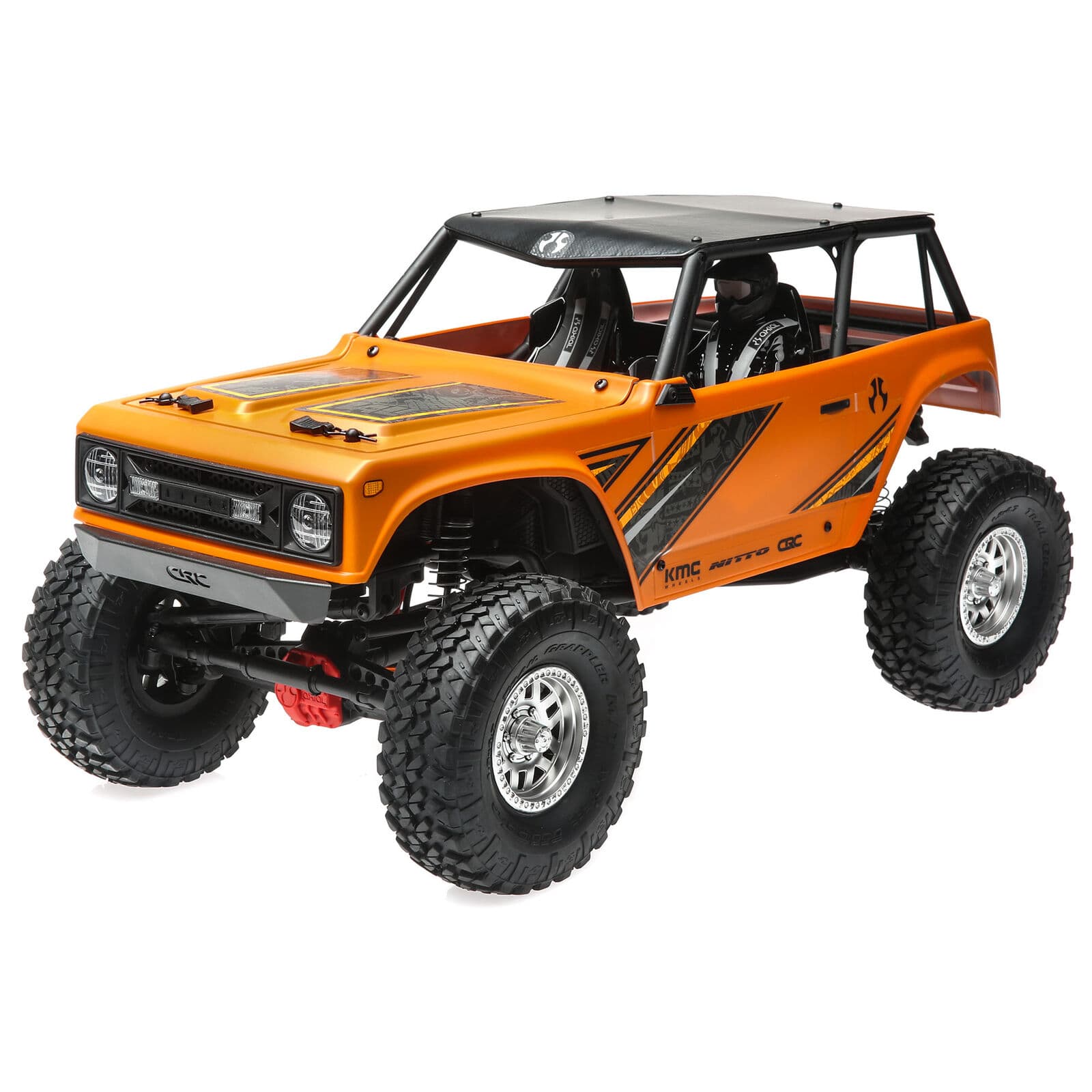
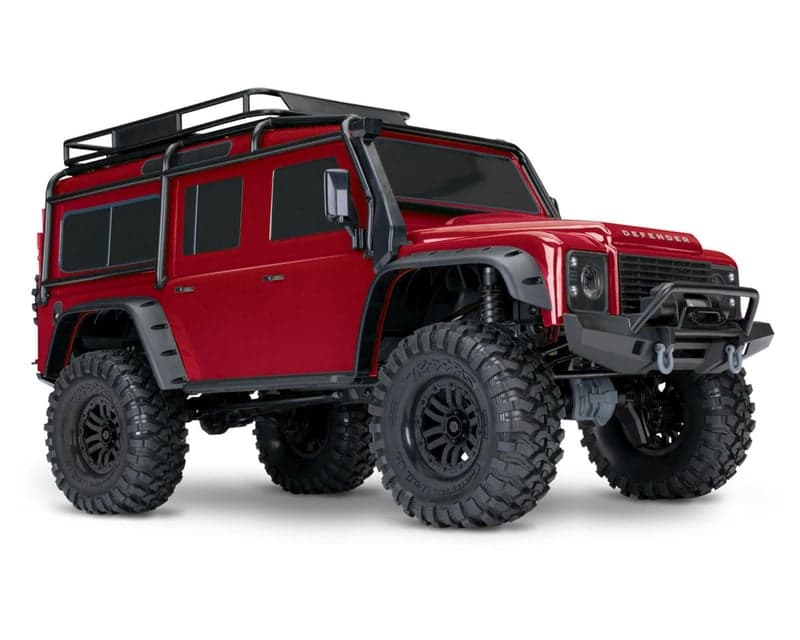
Two iconic 1/10 crawlers with completely different designs. The Wraith is a rock racer built for speed and aggressive climbing. The TRX-4 is a scale trail truck built for realistic slow-speed precision crawling. Both are excellent, but they scratch very different itches.
At a Glance
Axial Wraith 1.9
Traxxas TRX-4 Defender
Spec Comparison
Spec
Axial Wraith 1.9
Traxxas TRX-4 Defender
Price
$369.99
$499.95
Performance
Top Speed
15 mph
10 mph
Drivetrain
4WD
4WD
Motor Type
Brushed
Brushed
Dimensions
Length
19.10 in
22.06 in
Width
10.75 in
9.28 in
Height
9.75 in
10.16 in
Wheelbase
12.50 in
12.28 in
Ground Clearance
3.15 in
3.14 in
Chassis
Weight
6.70 lbs
7 lbs
Battery
3000mAh 2S
3000mAh 2S
Features
Waterproof
No
Yes
Detailed Comparison
The Axial Wraith 1.9 and Traxxas TRX-4 Defender represent two distinct philosophies within the 1/10 crawling hobby. The Wraith is a tube-frame rock racer that rips along at 15 mph and looks like something from King of the Hammers. The TRX-4 is a licensed Land Rover Defender replica that crawls deliberately at 10 mph and looks like a perfectly scaled trail rig ready for a magazine cover. If aesthetics and driving style preference matter to you, and in the crawling community, they almost always do. This is the first and perhaps most important decision point.
Performance differences clearly reflect their design intentions. The Wraith at 6.7 lbs is lighter than the TRX-4 at 7 lbs, and its higher 15 mph top speed allows it to attack obstacles with momentum and speed rather than pure finesse. Rock racing style (hit the throttle hard and blast over obstacles that slower trucks have to carefully pick through) is the Wraith's specialty. The TRX-4 favors patience, precision, and careful line selection. Its functional two-speed transmission gives you a high range for trail cruising and a low range for maximum torque during technical climbing. The locking differentials front and rear let you lock traction to both wheels on an axle, which is critical for maintaining grip on off-camber sections and loose surfaces. The Wraith lacks both the two-speed and locking diffs, which are meaningful features for serious crawling.
Ground clearance is essentially tied: 3.15 inches for the Wraith versus 3.14 for the TRX-4. Wheelbases are close at 12.5 versus 12.28 inches. The TRX-4's longer overall body at 22.06 inches compared to the Wraith's 19.1 gives it a more scale-realistic look on the trail, with better proportioned overhangs and a profile that photographs beautifully. The TRX-4's biggest practical advantage is full waterproofing. It's fully sealed from the factory and ready for stream crossings, mud, and rain without worry. The Wraith is not waterproof, which is a notable omission for a vehicle designed to navigate outdoor terrain where water is common.
Both trucks run brushed motors on 2S LiPo with 3000mAh capacity, so battery costs and runtime are identical at roughly 30-45 minutes per charge during typical crawling sessions. The TRX-4 at its mid-range price costs significantly more than the Wraith, and that premium buys you the two-speed transmission, front and rear locking differentials, waterproofing, portal axles for extra clearance, and the licensed Defender body with detailed interior. Those are substantial features that the Wraith lacks at its price point. The TRX-4 also has the more extensive aftermarket ecosystem: bodies, bumpers, light bars, winches, interior kits, and performance parts are available from dozens of manufacturers. The Wraith is the better choice if you prefer the rock racer aesthetic, want to build a custom tube-frame rig, and don't need waterproofing. The TRX-4 is the better choice for a complete, feature-rich trail crawler ready to tackle any condition right from the box.
The Verdict
Axial Wraith 1.9
Go with the Wraith if you like the rock racer look and want to saves you a significant amount. The tube frame practically begs for custom builds.
Full reviewTraxxas TRX-4 Defender
The TRX-4 costs significantly more but comes with waterproofing, locking diffs, a two-speed, and portal axles. That's a lot of features for the premium.
Full reviewWhere to Buy
Axial Wraith 1.9
Traxxas TRX-4 Defender
Prices may vary. We may earn a commission on purchases at no extra cost to you.
Related Comparisons
Related Guides
How to Choose Your First RC Car
A beginner's guide to picking your first RC car, from categories and budgets to what actually matters.
Brushed vs Brushless Motors: What's the Difference?
How brushed and brushless motors work, what the performance differences are, and which one to pick.
2WD vs 4WD RC Cars: Which Is Better?
2WD and 4WD compared across handling, speed, durability, and terrain. Plus which drivetrain to pick.