Axial SCX10 III Jeep JLU vs Axial Wraith 1.9Which Should You Buy?
Quick Take
Two Axial crawlers with very different missions. The SCX10 III is a scale trail truck for technical crawling. The Wraith 1.9 is a rock racer that trades realism for speed and agility. Same brand, same hobby, different vibes.
At a Glance
Axial SCX10 III Jeep JLU
Axial Wraith 1.9
Spec Comparison
Spec
Axial SCX10 III Jeep JLU
Axial Wraith 1.9
Price
$499.99
$369.99
Performance
Top Speed
8 mph
15 mph
Drivetrain
4WD
4WD
Motor Type
Brushed
Brushed
Dimensions
Length
21.50 in
19.10 in
Width
9.50 in
10.75 in
Height
10.50 in
9.75 in
Wheelbase
12.30 in
12.50 in
Ground Clearance
3 in
3.15 in
Chassis
Weight
7.50 lbs
6.70 lbs
Battery
3000mAh 3S
3000mAh 2S
Features
Waterproof
No
No
Detailed Comparison
Axial makes both of these trucks, so the engineering DNA is shared, but the SCX10 III Jeep JLU and Wraith 1.9 target different crawling styles that appeal to different personalities. The SCX10 III is a scale trail truck designed to look realistic and crawl technical terrain methodically. The Wraith 1.9 is a rock racer designed to attack terrain with speed and aggression. That philosophical difference shapes every aspect of how these vehicles drive and what makes them fun.
The SCX10 III tops out at 8 mph. The Wraith 1.9 reaches 15 mph. In crawling terms, the Wraith is almost twice as fast, which changes the driving experience significantly. The Wraith's IFS front suspension and linked rear give it more wheel speed and a driving style that rewards momentum and commitment rather than precision. You attack obstacles at pace and use speed to carry you over things that would require careful line selection in a slower truck. The SCX10 III's portal axles and DIG function favor slow, deliberate crawling where you pick each wheel placement with care. The satisfaction comes from conquering a section that seemed impossible through patience and skill. If you enjoy the zen of slow technical lines, the SCX10 III is your truck. If you prefer blasting through obstacles and relying on speed and momentum, the Wraith fits that energy better.
The SCX10 III's portal axles give it a measurable crawling advantage on technical terrain. Higher axle clearance means fewer hang-ups on rocks, roots, and ledges that are at hub height. The Wraith 1.9's standard axle design sits lower but the truck compensates with 3.15 inches of ground clearance versus the SCX10 III's 3 inches. The Wraith's wider track at 10.75 inches versus 9.5 and slightly longer wheelbase of 12.5 versus 12.3 inches give it a wider, more stable stance for fast off-camber moves. The Wraith's shorter overall length of 19.1 inches versus 21.5 makes it more maneuverable in tight spaces between rocks.
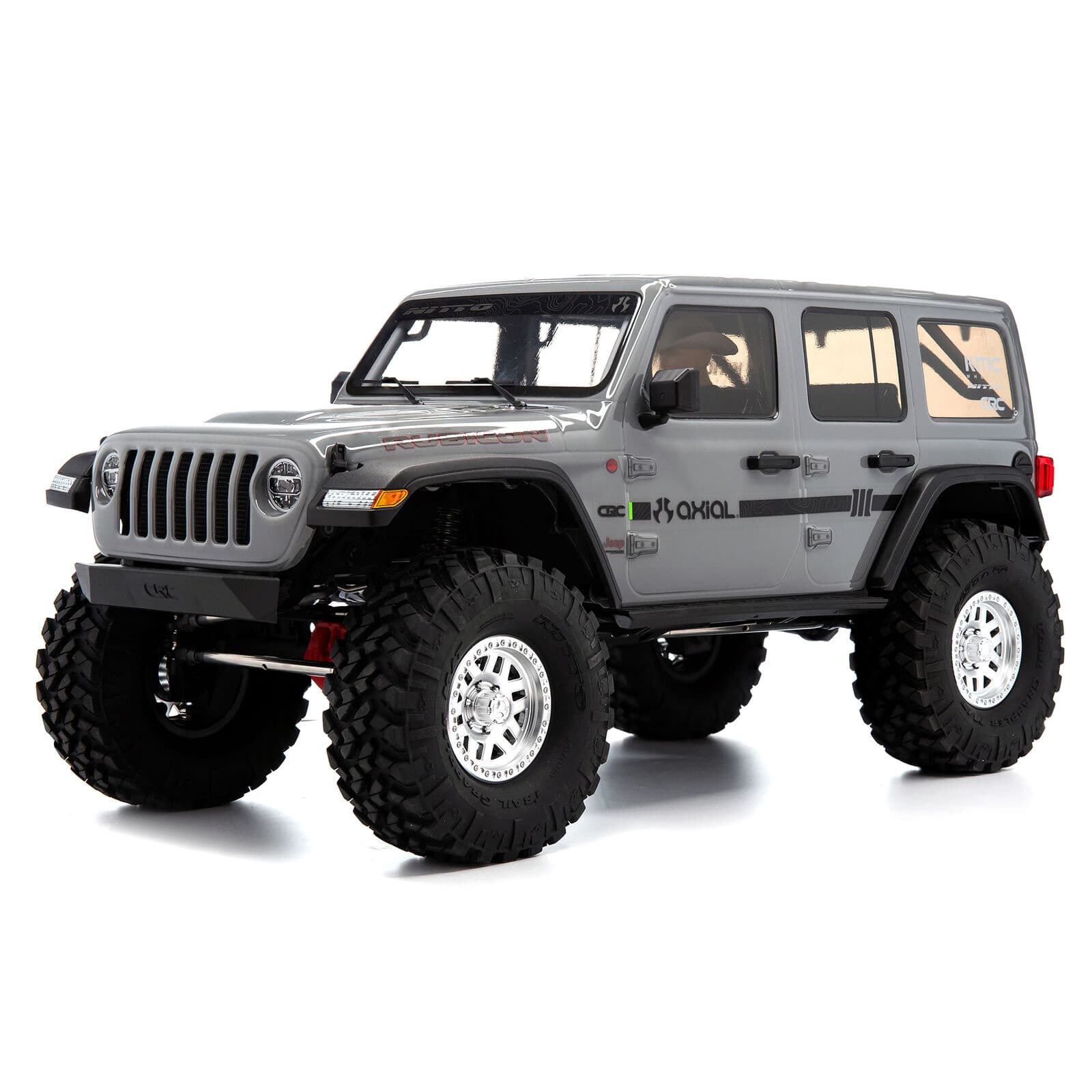
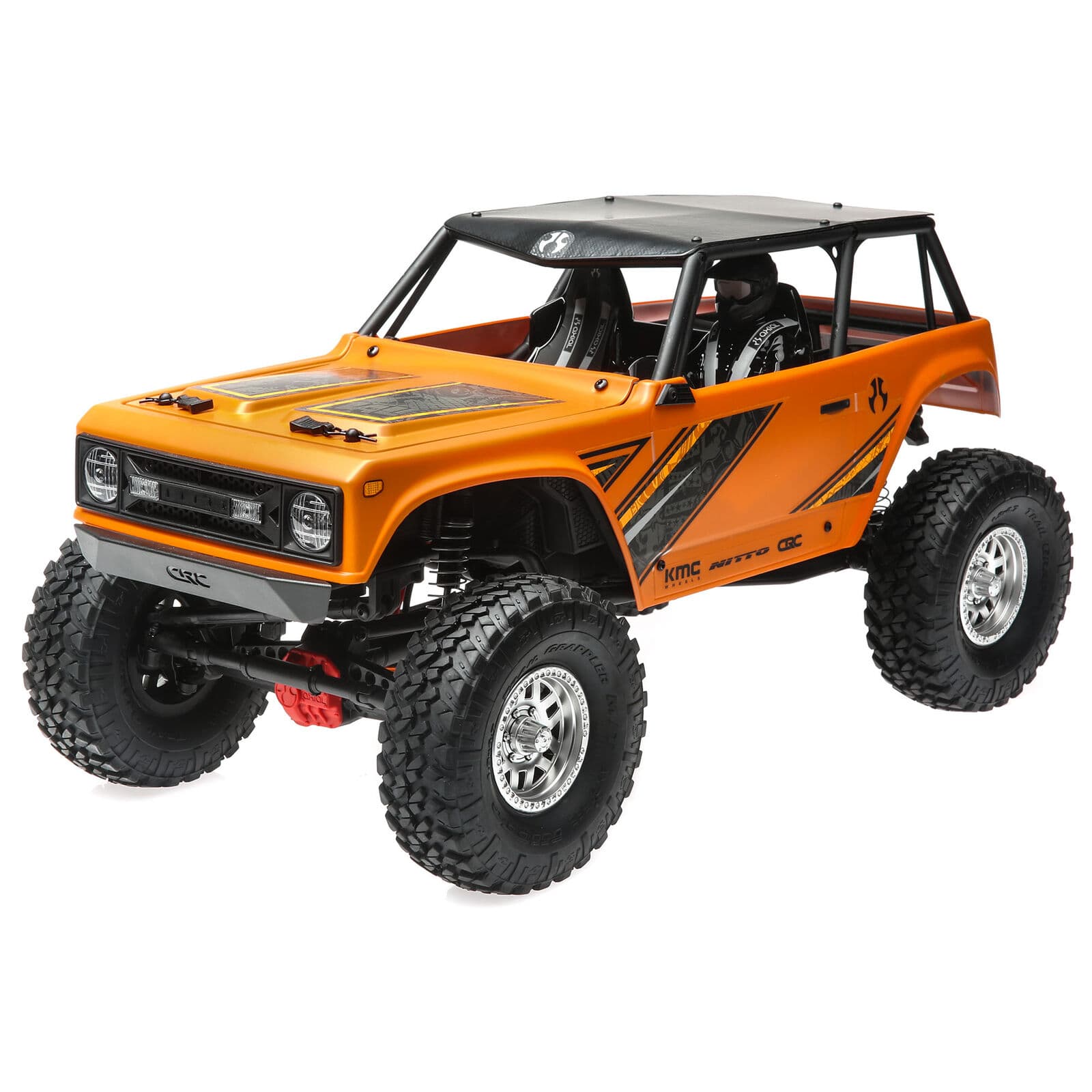
Scale realism goes entirely to the SCX10 III without contest. The Jeep JLU body with interior details, functional spare tire, and prototypical proportions makes it look like a shrunken real vehicle. Parked on a trail, photos of the SCX10 III can actually fool people into thinking it is a real truck from a distance. The Wraith's tube-frame buggy design is cool in its own right with an industrial aesthetic, but it does not pretend to be a real vehicle. This matters if you photograph your trucks, participate in scale crawling events where appearance scores count, or just enjoy the visual aspect of the hobby.
Build quality is similar given the shared manufacturer and comparable price points. Both use brushed motors, 4WD, and quality Axial components throughout. Neither is waterproof, which remains a frustration across the Axial lineup. The SCX10 III at 7.5 lbs is heavier than the Wraith at 6.7 lbs, partly due to the portal axle hardware and larger body shell. Both run 3000mAh 2S packs with excellent runtime north of 45 minutes since neither truck draws significant current at crawling speeds.
The Wraith 1.9 at its price point is significantly cheaper than the SCX10 III at its mid-range price. That price difference buys the portal axles and DIG function on the SCX10 III, both of which are significant crawling upgrades. The Wraith is better value if you want aggressive rock racing with more speed. The SCX10 III is better value if you want pure crawling performance and scale realism. Neither will make you happy doing the other's job for long.
The Verdict
Axial SCX10 III Jeep JLU
The SCX10 III is for the patient driver. Portal axles, DIG, a gorgeous Jeep body, and crawling that rewards technique over throttle.
Full reviewAxial Wraith 1.9
significantly less and 5 mph faster. The Wraith is the aggressive option, rock racing instead of rock crawling. Different vibe, same Axial quality.
Full reviewWhere to Buy
Axial SCX10 III Jeep JLU
Axial Wraith 1.9
Prices may vary. We may earn a commission on purchases at no extra cost to you.
Related Comparisons
Axial SCX10 III Jeep JLU vs Traxxas TRX-4 Defender
crawlerAxial SCX10 III Jeep JLU vs Redcat Gen8 V2
crawlerAxial SCX10 III Jeep JLU vs Element RC Enduro Sendero HD
crawlerAxial SCX10 III Jeep JLU vs Traxxas TRX-4 Bronco
crawlerAxial SCX10 III Jeep JLU vs Traxxas TRX-4 Sport
crawlerAxial SCX10 III Jeep JLU vs Traxxas TRX-6 Mercedes-Benz G 63
crawlerRelated Guides
Brushed vs Brushless Motors: What's the Difference?
How brushed and brushless motors work, what the performance differences are, and which one to pick.
2WD vs 4WD RC Cars: Which Is Better?
2WD and 4WD compared across handling, speed, durability, and terrain. Plus which drivetrain to pick.
RC Car Types Explained: Bashers, Crawlers, Drift & Racing
Bashers, crawlers, drift cars, buggies, truggies, and more. What each type does best and who it's for.