Axial SCX10 III Jeep JLU vs Redcat Gen8 V2Which Should You Buy?
Quick Take
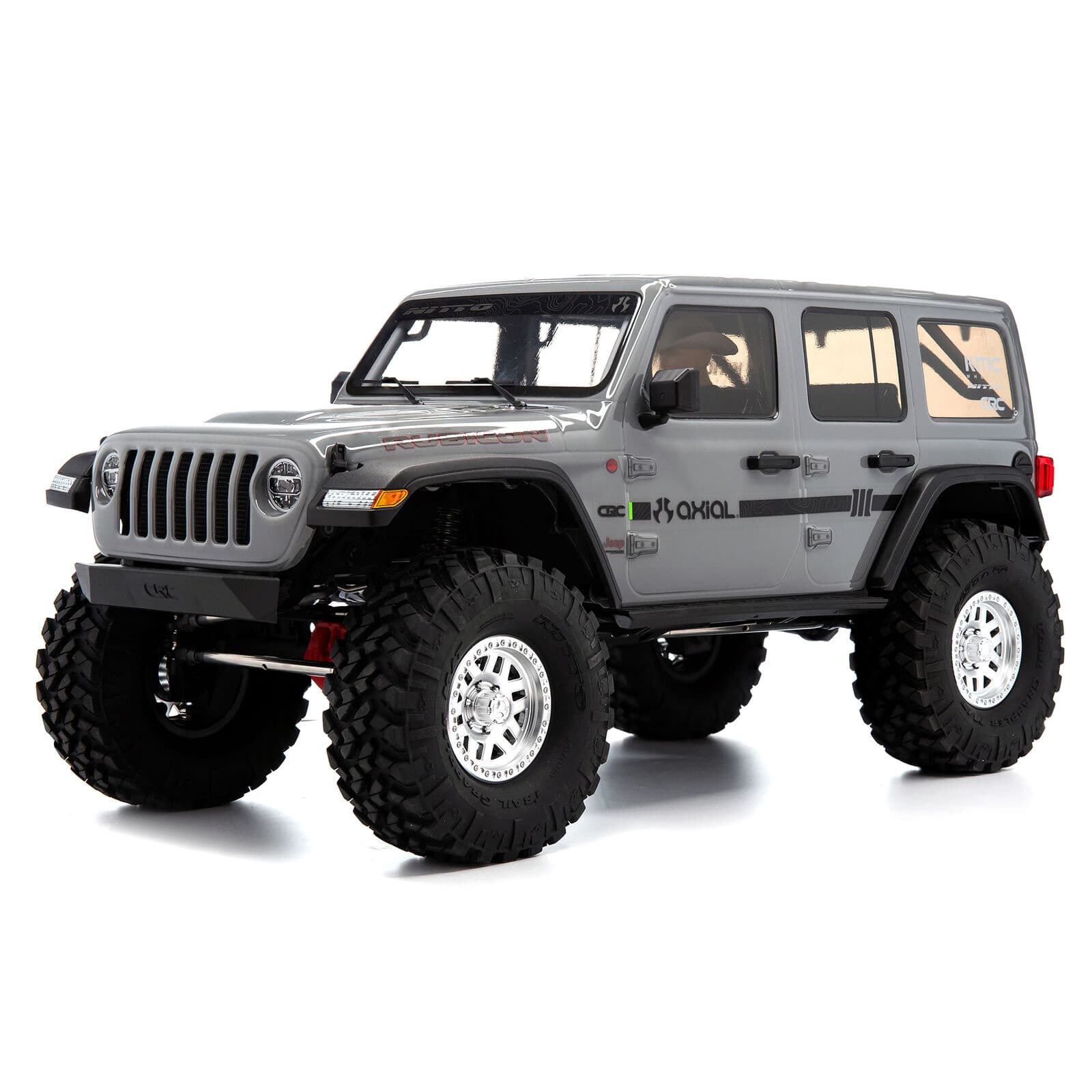
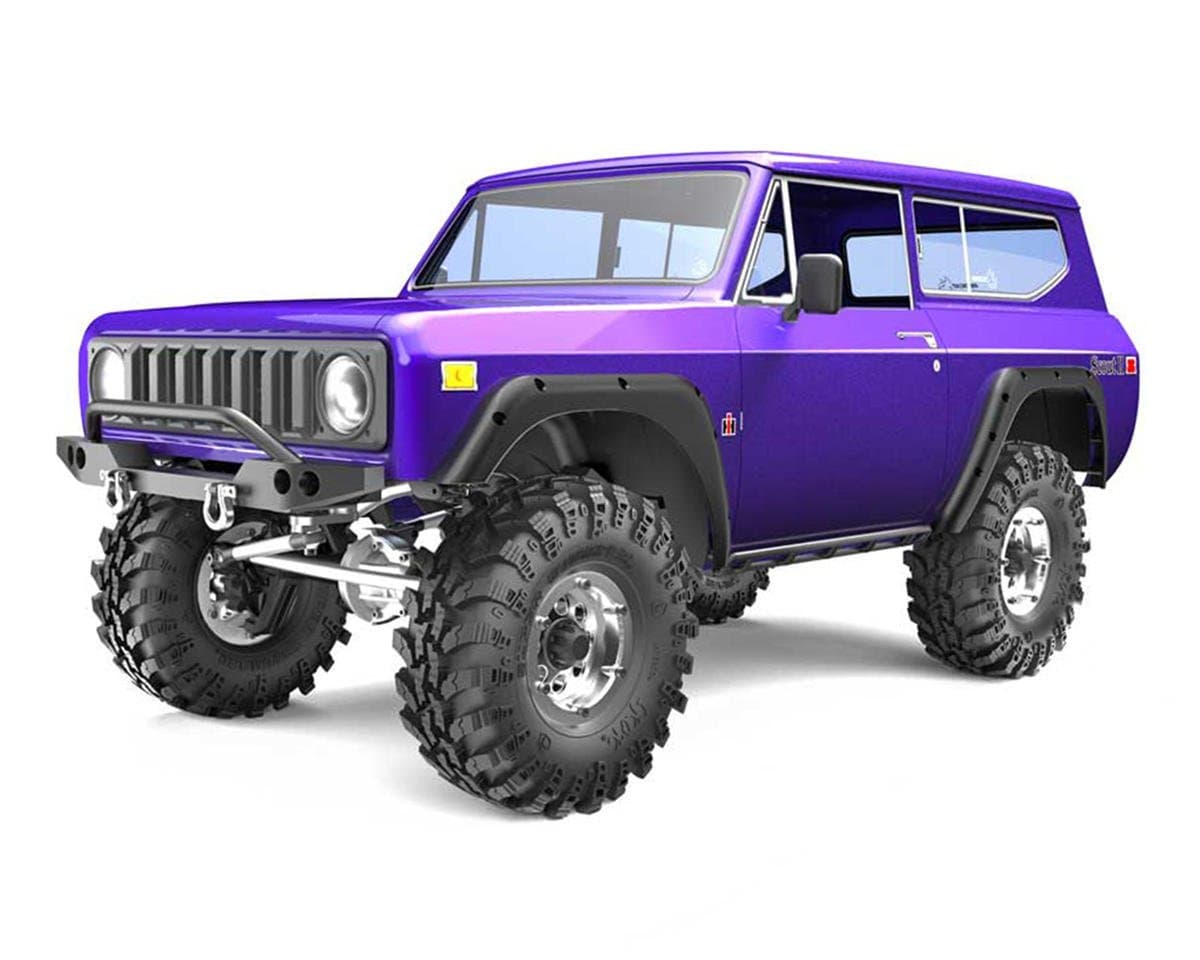
The established crawler king versus a budget alternative that performs better than you'd expect at its price. The SCX10 III costs significantly more but gives you portal axles, better build quality, and a more capable platform. The Gen8 V2 is solid entry-level crawling for nearly half the price.
At a Glance
Axial SCX10 III Jeep JLU
Redcat Gen8 V2
Spec Comparison
Spec
Axial SCX10 III Jeep JLU
Redcat Gen8 V2
Price
$499.99
$359.99
Performance
Top Speed
8 mph
8 mph
Drivetrain
4WD
4WD
Motor Type
Brushed
Brushed
Dimensions
Length
21.50 in
21.26 in
Width
9.50 in
9.84 in
Height
10.50 in
10.04 in
Wheelbase
12.30 in
12.28 in
Ground Clearance
3 in
3 in
Chassis
Weight
7.50 lbs
6.39 lbs
Battery
3000mAh 3S
3000mAh 2S
Features
Waterproof
No
No
Detailed Comparison
The noticeable price gap between the Axial SCX10 III Jeep JLU at its mid-range price and the Redcat Gen8 V2 at its price point is the defining factor in this comparison. Both are 1/10 scale, brushed, 4WD crawlers with identical 3-inch ground clearance and nearly identical wheelbases around 12.3 inches. The question is whether the SCX10 III's advantages justify a 64% price premium over a truck that shares many of the same basic capabilities.
The SCX10 III's portal axles are its signature feature and the biggest performance differentiator between these two trucks. Portal axles raise the axle housing above the wheel hub centerline, allowing the truck to clear rocks and roots that would catch the Gen8 V2's standard C-channel axles. On technical terrain with ledges, protruding rocks, and uneven root systems, the SCX10 III glides over things that stop the Gen8 cold. The SCX10 III also features DIG functionality for tight maneuvering that the Gen8 completely lacks. These are not minor differences on difficult trails.
The SCX10 III weighs 7.5 lbs versus the Gen8 V2's 6.39 lbs. That extra pound comes primarily from the portal axle hardware and slightly beefier construction throughout. More weight is generally beneficial in crawling since it improves tire contact, stability on sidehills, and reduces the tendency to tip over on steep angles. The SCX10 III's Jeep JLU body sits on a well-designed chassis with proper servo placement and clean wire routing that makes maintenance straightforward. The Gen8 V2's International Scout body is attractive in its own right, but the overall chassis fit and finish reflect the lower price point with more visible screws, simpler wire management, and less refined component integration.
Performance on the trail puts the SCX10 III clearly ahead on anything beyond basic terrain. Beyond the portal axle advantage, the SCX10 III has better shocks with smoother damping, better steering geometry for precise wheel placement, and more refined suspension tuning out of the box. The Gen8 V2 crawls competently for its price and handles basic to moderate trails without embarrassing itself, but it lacks the precision and capability of the Axial on really tough terrain. On a scale of 1 to 10 in crawling difficulty, the Gen8 handles levels 1 through 6 well. The SCX10 III manages 1 through 8 before upgrades become necessary.
Neither truck is waterproof, which is unfortunate at both price points given that crawling frequently involves water. Both run 3000mAh 2S packs, with the SCX10 III also accepting 3S for more torque on steep grades. Runtime is excellent for both at 45+ minutes per charge since crawling barely stresses the battery.
Value analysis depends on your commitment level. The Gen8 V2 at its price point is really good for the money and provides a real crawling experience that will keep a beginner happy for months. If you are trying the hobby for the first time and unsure about long-term commitment, it is the obvious choice. The SCX10 III at its mid-range price is the truck you buy when you know you love crawling and want the best trail performance short of a competition-level rig. The aftermarket for both is extensive, but the SCX10 platform has the deepest upgrade ecosystem in the entire crawling hobby, which matters when you inevitably catch the upgrade bug.
The Verdict
Axial SCX10 III Jeep JLU
Portal axles, DIG, and the deepest aftermarket in crawling. The SCX10 III is the truck for people who already know they love this hobby.
Full reviewRedcat Gen8 V2
Affordable for a real crawler. The Gen8 V2 won't embarrass you on the trail, and it costs nearly half as much.
Full reviewWhere to Buy
Axial SCX10 III Jeep JLU
Redcat Gen8 V2
Prices may vary. We may earn a commission on purchases at no extra cost to you.
Related Comparisons
Axial SCX10 III Jeep JLU vs Traxxas TRX-4 Defender
crawlerAxial SCX10 III Jeep JLU vs Axial Wraith 1.9
crawlerAxial SCX10 III Jeep JLU vs Element RC Enduro Sendero HD
crawlerAxial SCX10 III Jeep JLU vs Traxxas TRX-4 Bronco
crawlerAxial SCX10 III Jeep JLU vs Traxxas TRX-4 Sport
crawlerAxial SCX10 III Jeep JLU vs Traxxas TRX-6 Mercedes-Benz G 63
crawlerRelated Guides
Brushed vs Brushless Motors: What's the Difference?
How brushed and brushless motors work, what the performance differences are, and which one to pick.
2WD vs 4WD RC Cars: Which Is Better?
2WD and 4WD compared across handling, speed, durability, and terrain. Plus which drivetrain to pick.
RC Car Types Explained: Bashers, Crawlers, Drift & Racing
Bashers, crawlers, drift cars, buggies, truggies, and more. What each type does best and who it's for.