Axial Wraith 1.9 vs Redcat Gen8 V2Which Should You Buy?
Quick Take
A rock racer versus a competitive price scale trail truck. The Wraith is faster, better built, and more capable on technical terrain. The Gen8 V2 covers the crawling basics at a friendlier price. Different styles, different budgets.
At a Glance
Axial Wraith 1.9
Redcat Gen8 V2
Spec Comparison
Spec
Axial Wraith 1.9
Redcat Gen8 V2
Price
$369.99
$359.99
Performance
Top Speed
15 mph
8 mph
Drivetrain
4WD
4WD
Motor Type
Brushed
Brushed
Dimensions
Length
19.10 in
21.26 in
Width
10.75 in
9.84 in
Height
9.75 in
10.04 in
Wheelbase
12.50 in
12.28 in
Ground Clearance
3.15 in
3 in
Chassis
Weight
6.70 lbs
6.39 lbs
Battery
3000mAh 2S
3000mAh 2S
Features
Waterproof
No
No
Detailed Comparison
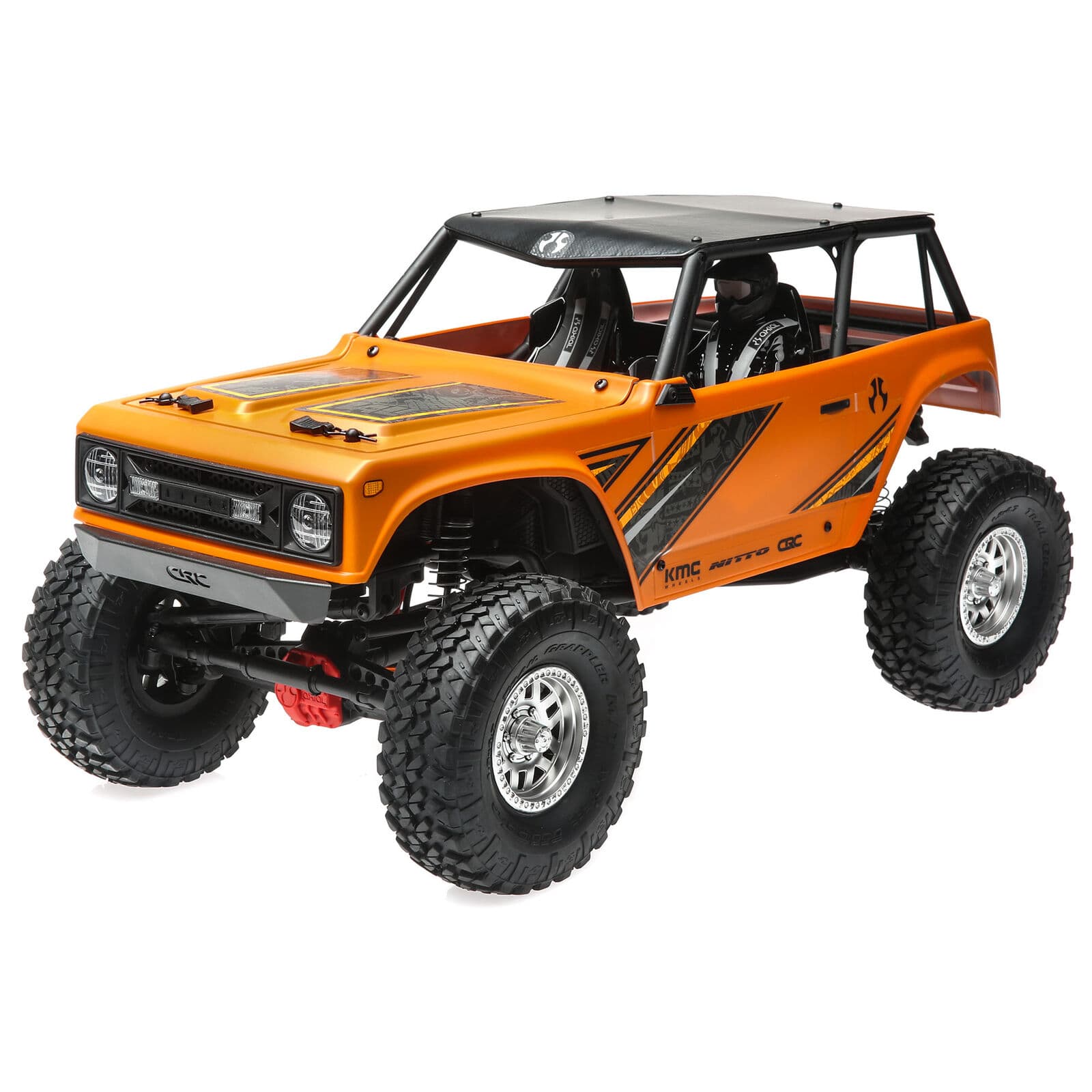
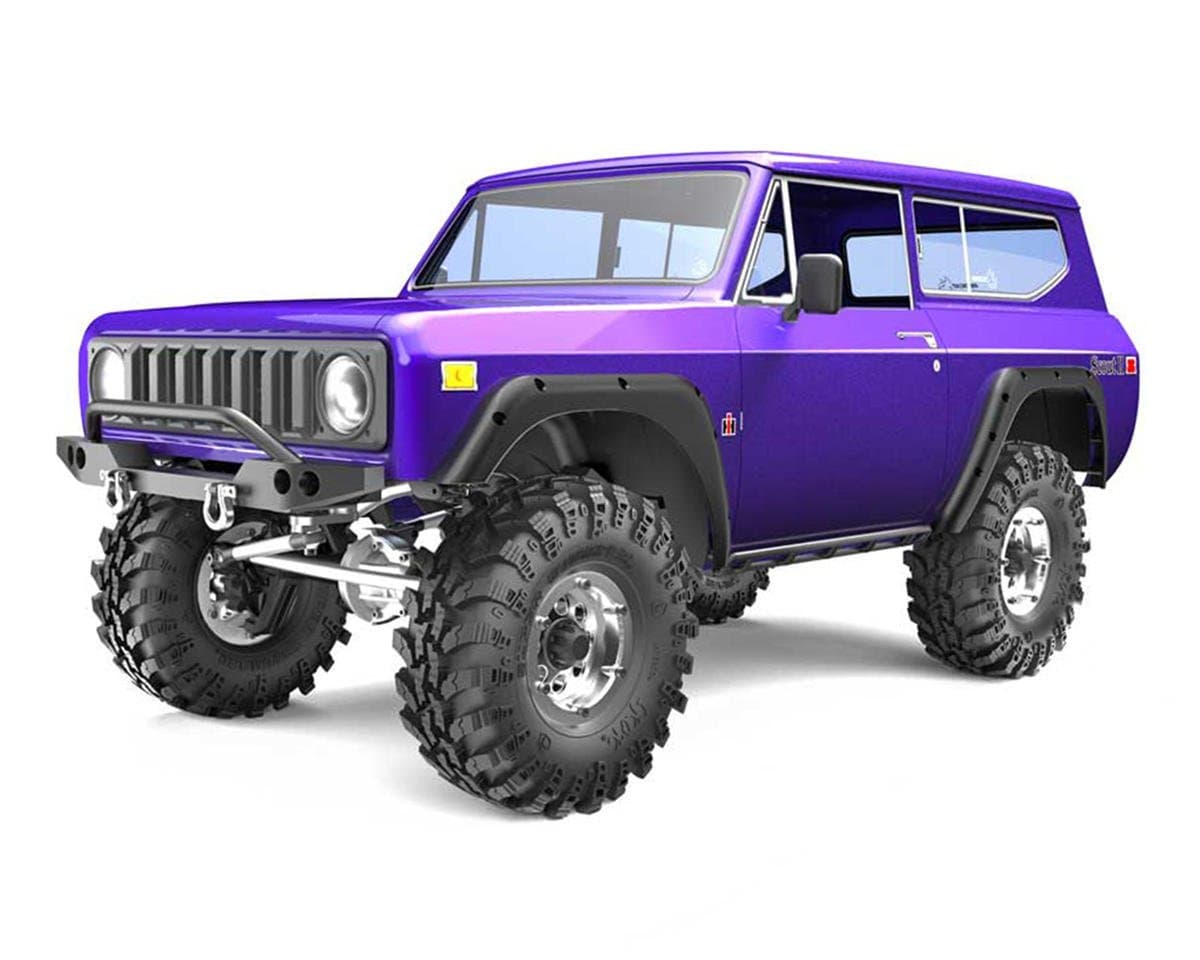
The Axial Wraith 1.9 and Redcat Gen8 V2 are both 1/10 crawlers running brushed motors on 2S LiPo, but they target different segments of the market and different levels of the hobby. The Wraith at its price point is positioned as a premium rock racer with a distinctive tube-frame chassis that signals performance intent from across the parking lot. The Gen8 V2 at its price point is a scale trail truck designed to look like a miniature full-size off-road rig at a more accessible price point for newer hobbyists. The price gap between them is meaningful and the differences in quality and capability justify a good portion of that premium.
The Wraith's 15 mph top speed is nearly double the Gen8's 8 mph, which reflects their completely different approaches to crawling. The Wraith can attack obstacles with speed and momentum, transitioning fluidly between deliberate crawling sections and faster trail riding portions. That mix of speeds makes it engaging across different terrain types within a single drive. The Gen8 V2 is a slow, deliberate machine by design. It is built for low-speed technical challenges where patience, throttle control, and precise line selection matter far more than speed. If your idea of a great crawling session involves carefully picking through rock gardens at a walking pace, the Gen8's slower speed isn't a limitation but a feature.
Weight is similar at 6.7 versus 6.39 lbs, so neither truck has a meaningful traction advantage from mass alone. Ground clearance slightly favors the Wraith at 3.15 versus 3.0 inches. The Gen8's longer body at 21.26 inches (versus the Wraith's 19.1) and wider frame at 9.84 inches give it a more realistic scale appearance that looks great in photos and on video. Neither truck is waterproof, which is a shared weakness for vehicles specifically designed to navigate outdoor terrain where encountering water is almost inevitable. Both run 3000mAh 2S batteries with similar 30-40 minute runtime during typical crawling sessions.
Build quality is where the price difference manifests most clearly. The Wraith uses higher-grade plastics with better impact resistance, superior shock absorbers with tighter seals, and more precise machining throughout the drivetrain and suspension components. Axial's earned reputation in the crawling community comes from years of proven designs and consistent quality control. The Gen8 V2 is decent and perfectly functional for its price, but uses softer plastics and less refined components in several areas. Shocks may develop leaks sooner, gear mesh isn't as tight from the factory, and some plastic parts flex more than you'd want under heavy load.
The Wraith's tube-frame design makes it incredibly mod-friendly, and the crawling community has developed thousands of upgrades, alternate bodies, and custom accessories for the platform over many years. It's one of the most customized crawlers in existence. The Gen8 V2 has a growing aftermarket community but just can't match the Wraith's ecosystem depth or variety. For someone entering the crawling hobby on a strict budget, the Gen8 V2 is a capable starting point that teaches the fundamentals of trail driving and technical crawling without a large upfront investment. For someone who wants a more capable platform with substantially better build quality and enormous room to grow through modifications, the Wraith's extra money buys meaningfully superior quality and access to the largest crawler mod community in the hobby.
The Verdict
Axial Wraith 1.9
The Wraith is noticeably more and worth every dollar. Better build quality, double the speed, and the mod community is massive.
Full reviewRedcat Gen8 V2
Crawling on a budget? The Gen8 V2 at its price point handles the basics without the premium price. Good first crawler.
Full reviewWhere to Buy
Axial Wraith 1.9
Redcat Gen8 V2
Prices may vary. We may earn a commission on purchases at no extra cost to you.
Related Comparisons
Related Guides
How to Choose Your First RC Car
A beginner's guide to picking your first RC car, from categories and budgets to what actually matters.
Brushed vs Brushless Motors: What's the Difference?
How brushed and brushless motors work, what the performance differences are, and which one to pick.
2WD vs 4WD RC Cars: Which Is Better?
2WD and 4WD compared across handling, speed, durability, and terrain. Plus which drivetrain to pick.