Axial Capra 1.9 UTB vs Axial Wraith 1.9Which Should You Buy?
Quick Take
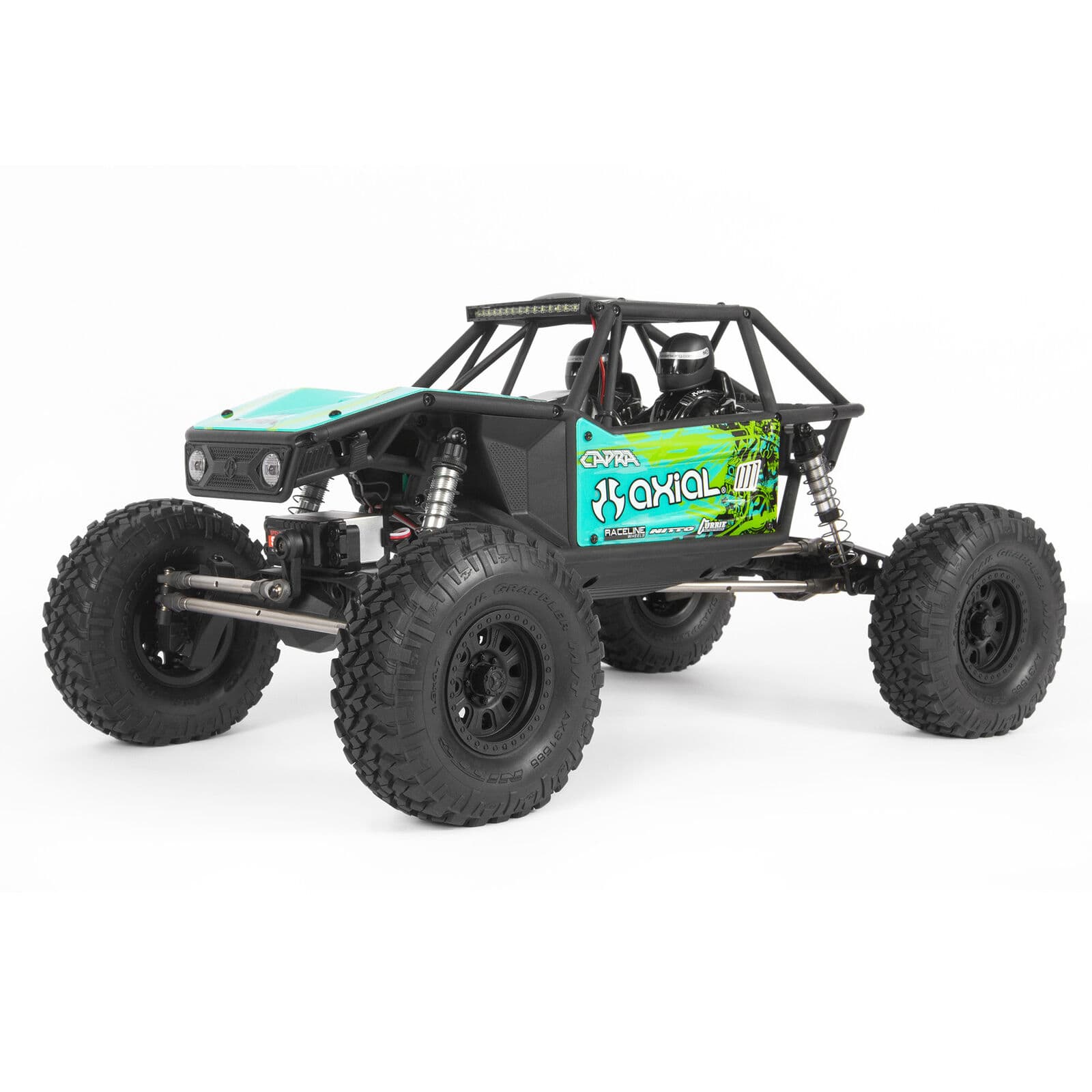
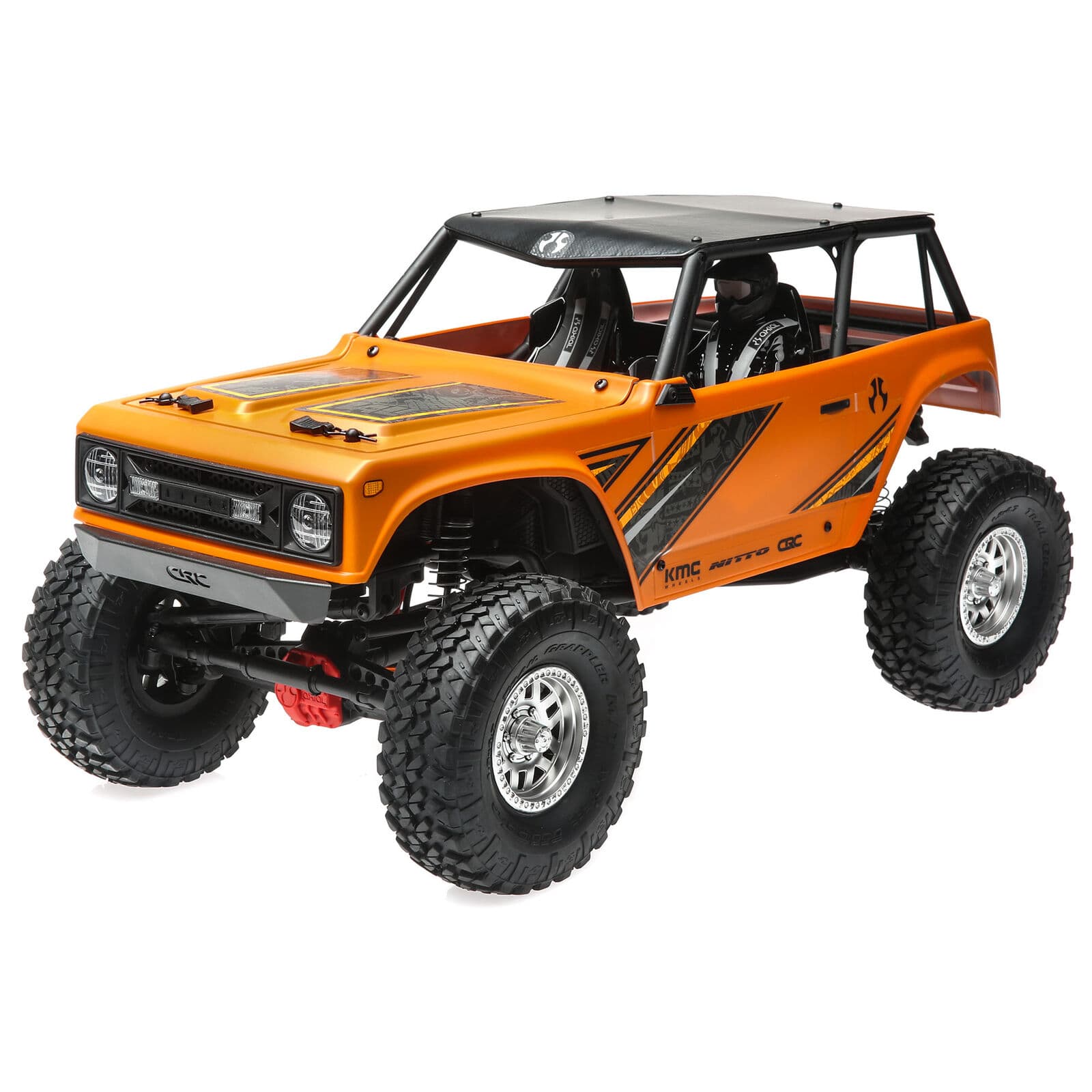
Two Axial 1.9 crawlers built for different philosophies. The Capra is a pure trail machine stripped down for technical rock crawling, while the Wraith adds speed and a wider stance for rock racing. It's precision vs all-around capability.
At a Glance
Axial Capra 1.9 UTB
Axial Wraith 1.9
Spec Comparison
Spec
Axial Capra 1.9 UTB
Axial Wraith 1.9
Price
$449.99
$369.99
Performance
Top Speed
8 mph
15 mph
Drivetrain
4WD
4WD
Motor Type
Brushed
Brushed
Dimensions
Length
19.50 in
19.10 in
Width
9 in
10.75 in
Height
9.50 in
9.75 in
Wheelbase
12.30 in
12.50 in
Ground Clearance
3.50 in
3.15 in
Chassis
Weight
6.60 lbs
6.70 lbs
Battery
3000mAh 2S
3000mAh 2S
Features
Waterproof
No
No
Detailed Comparison
The Axial Capra 1.9 UTB and Axial Wraith 1.9 share a brand, a scale, and even the same 1.9-inch bead-lock wheel spec, but they attack the trail from opposite angles. The Capra was designed ground-up as an unlimited-trail buggy, prioritizing articulation and low center of gravity over outright speed. The Wraith, originally conceived as a rock racer, brings nearly double the top speed at 15 mph versus the Capra's 8 mph. Both run brushed motors on 4WD, but the Wraith's gearing is clearly set up to move faster between obstacles rather than inch over them.
Performance on the rocks tells a clearer story. The Capra's 3.5 inches of ground clearance edges out the Wraith's 3.15 inches, and at 6.6 lbs versus 6.7 lbs, the weight difference is negligible. But the Capra's narrower 9-inch width compared to the Wraith's 10.75 inches matters on tight shelf roads and narrow crevices. The Capra's 12.3-inch wheelbase gives it tight turning geometry, while the Wraith's 12.5-inch wheelbase is only marginally longer. Where you really feel the difference is in the suspension design. The Capra's portal axles give it far better obstacle clearance at the axle housing, keeping differentials safe from rock strikes. This is the kind of advantage that separates a purpose-built crawler from one that compromises for speed. Every time you drag the Wraith's axle over a jagged ledge, you're risking damage the Capra just avoids by design.
Build quality on both is solid Axial fare. Metal gear servos, aluminum chassis components, and proper bead-lock wheels come standard on both platforms. The Capra's cage-style body is more forgiving on impacts since there are no panels to crack, while the Wraith's tube-frame with body panels looks better but takes more cosmetic damage over time. Neither is waterproof from the factory, which is a persistent annoyance from Axial. Puddle crossings require aftermarket sealing on the electronics for both rigs. If your trails involve any water at all, budget significantly more for waterproof servo and receiver box upgrades on whichever you choose.
Battery and runtime are essentially identical. Both spec 3000mAh 2S packs and deliver roughly 30 to 45 minutes of crawling depending on terrain difficulty and how aggressively you drive. The Wraith will drain faster if you're driving it like the rock racer it wants to be, especially if you're hammering the throttle between sections. At crawling speeds, both motors sip power efficiently enough that runtime is rarely the limiting factor on a trail run. You'll tire of driving before the battery gives out.
Value is where the decision gets interesting. The Capra at its mid-range price is a few dollars more than the Wraith at its price point but the Capra's portal axles alone would cost more than the price difference if you tried to retrofit them onto the Wraith. For dedicated crawling, the Capra is the better long-term investment because you're getting the hard-to-add upgrades baked in from the factory. The Wraith gives you a platform that can crawl moderately well and also blast down fire roads at a pace the Capra can't touch. If you only buy one rig and want to do a bit of everything off-road, the Wraith's extra speed and wider stance make it more fun in more situations. If crawling competition or technical trail running is your singular focus, the Capra is purpose-built for exactly that and worth the tiny premium.
The Verdict
Axial Capra 1.9 UTB
For serious rock crawling, the Capra wins. Portal axles and a narrow frame give it obstacle clearance the Wraith can't touch.
Full reviewAxial Wraith 1.9
The Wraith can actually rip between obstacles at 15 mph. If you want rock racing range instead of pure crawling, it's the more fun rig.
Full reviewWhere to Buy
Axial Capra 1.9 UTB
Axial Wraith 1.9
Prices may vary. We may earn a commission on purchases at no extra cost to you.
Related Comparisons
Axial Capra 1.9 UTB vs Traxxas TRX-4 Defender
crawlerAxial Capra 1.9 UTB vs Axial SCX10 III Jeep JLU
crawlerAxial Capra 1.9 UTB vs Axial RBX10 Ryft
crawlerAxial Capra 1.9 UTB vs Redcat Gen8 V2
crawlerAxial Capra 1.9 UTB vs Element RC Enduro Sendero HD
crawlerAxial Capra 1.9 UTB vs Traxxas TRX-4 Bronco
crawlerRelated Guides
Brushed vs Brushless Motors: What's the Difference?
How brushed and brushless motors work, what the performance differences are, and which one to pick.
2WD vs 4WD RC Cars: Which Is Better?
2WD and 4WD compared across handling, speed, durability, and terrain. Plus which drivetrain to pick.
RC Car Types Explained: Bashers, Crawlers, Drift & Racing
Bashers, crawlers, drift cars, buggies, truggies, and more. What each type does best and who it's for.