Axial RBX10 Ryft vs Axial SCX10 III Jeep JLUWhich Should You Buy?
Quick Take
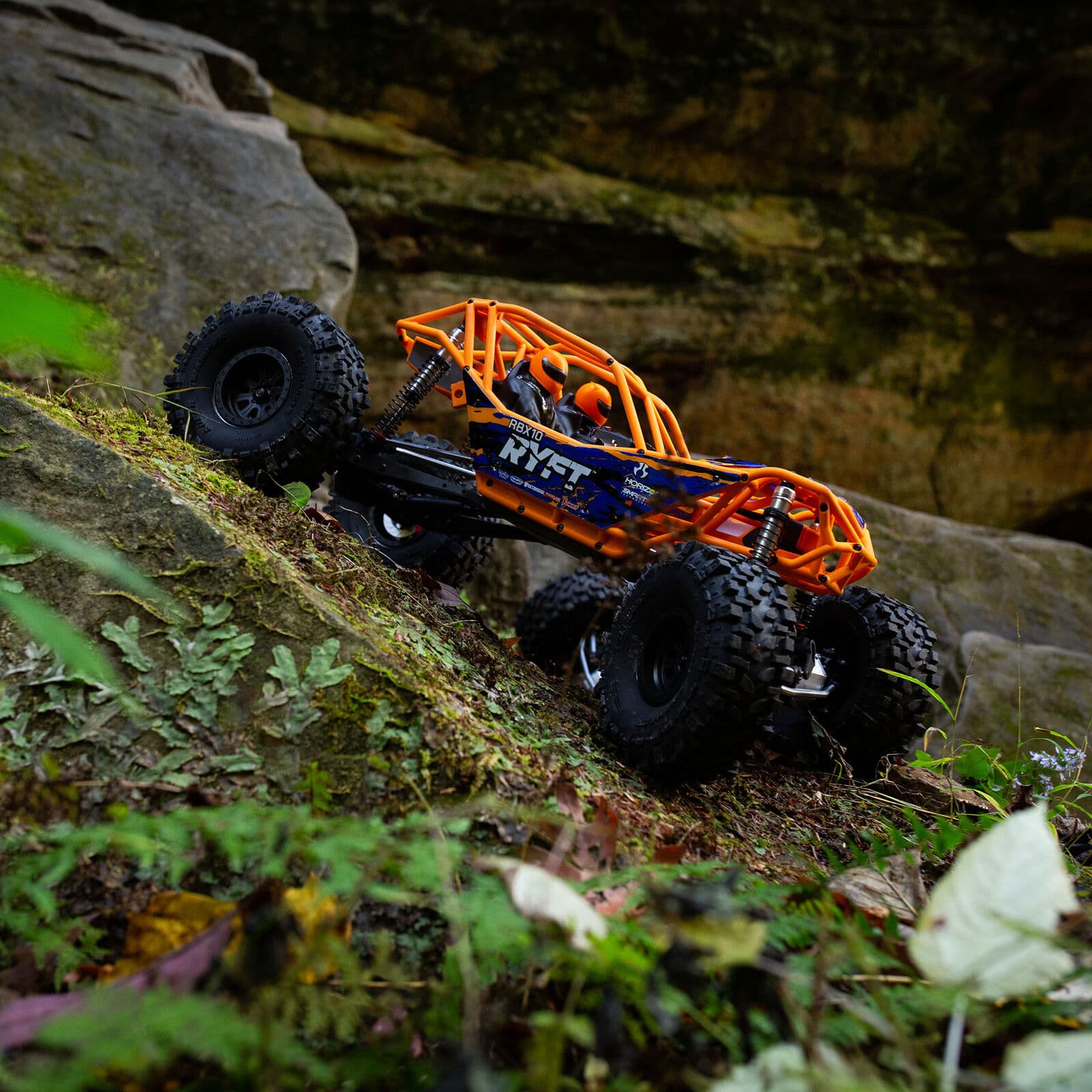
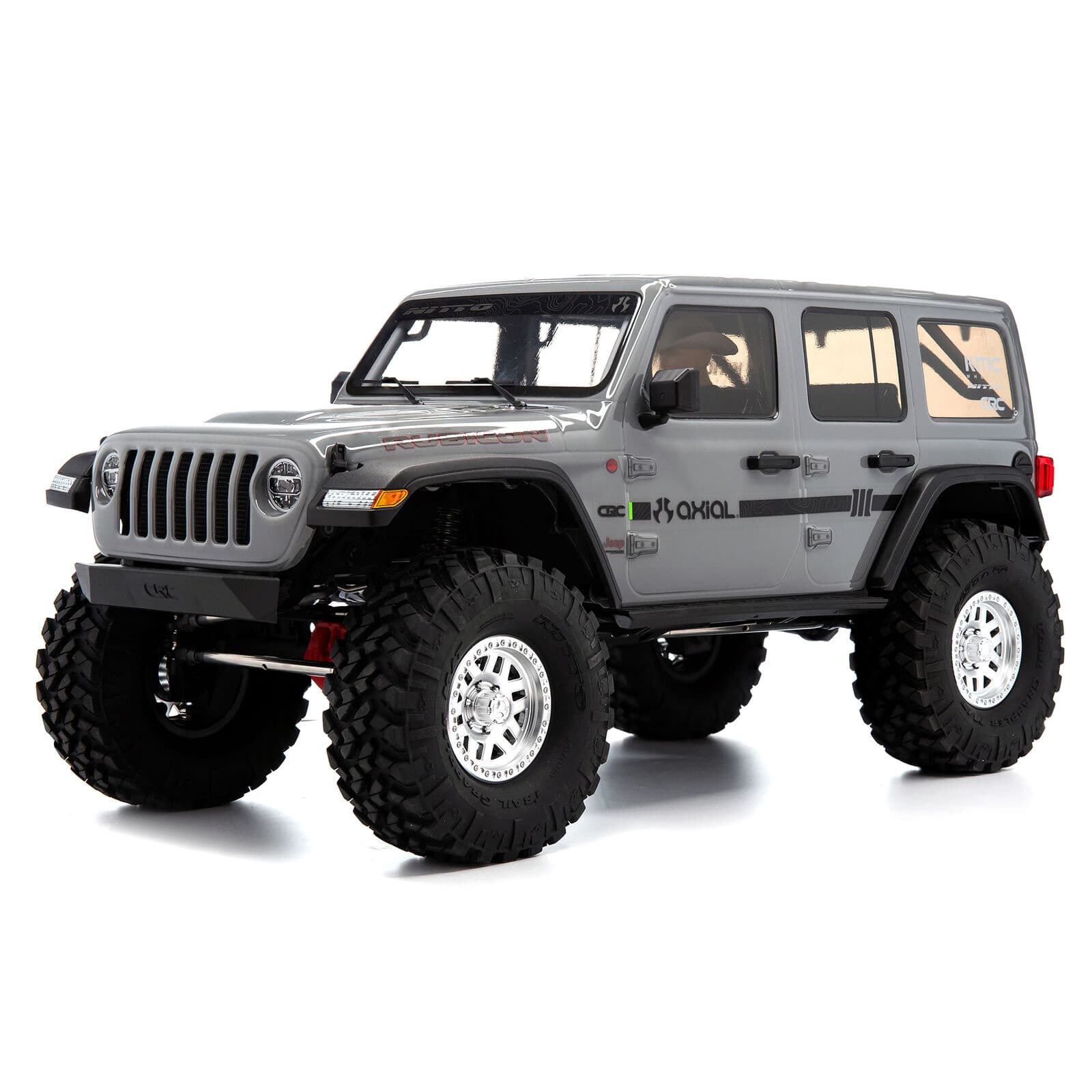
Same brand, same price, completely different animals. The RBX10 Ryft is a brushless rock bouncer built to send it, while the SCX10 III is the quintessential scale crawler with a detailed Jeep JLU body. Your driving style picks the winner here.
At a Glance
Axial RBX10 Ryft
Axial SCX10 III Jeep JLU
Spec Comparison
Spec
Axial RBX10 Ryft
Axial SCX10 III Jeep JLU
Price
$589.99
$499.99
Performance
Top Speed
25 mph
8 mph
Drivetrain
4WD
4WD
Motor Type
Brushless
Brushed
Dimensions
Length
23 in
21.50 in
Width
12.50 in
9.50 in
Height
10 in
10.50 in
Wheelbase
14.17 in
12.30 in
Ground Clearance
3.15 in
3 in
Chassis
Weight
8.38 lbs
7.50 lbs
Battery
5000mAh 3S
3000mAh 3S
Features
Waterproof
No
No
Detailed Comparison
At the same price, the Axial RBX10 Ryft and Axial SCX10 III Jeep JLU represent Axial's split personality. One is a brushless-powered rock bouncer that hits 25 mph. The other is a brushed trail crawler topping out at 8 mph. Same price, same brand, same 4WD drivetrain, and yet they couldn't be further apart in execution or intended audience.
The Ryft's brushless motor on a 5000mAh 3S pack gives it raw power the SCX10 III just can't approach. At 25 mph versus 8 mph, the Ryft can launch off rock faces, power up steep grades with momentum, and generally bully its way through terrain that would require careful line selection in the SCX10 III. That power comes with consequences though. The Ryft is harder to control precisely at low speeds because the brushless motor has a less linear power curve at minimal throttle. The SCX10 III's brushed motor on a 3000mAh 3S battery takes the methodical approach: smooth, predictable throttle response that gives you precise control for careful articulation over obstacles. The SCX10 III also features Axial's DIG function, which locks the rear axle to let only the front wheels drive, giving you incredibly tight turning capability that's useful on narrow switchbacks and confined spaces.
Size differences are significant and affect where you can run each truck. The Ryft stretches 23 inches long and 12.5 inches wide on a 14.17-inch wheelbase. The SCX10 III is more compact at 21.5 inches long, 9.5 inches wide, on a 12.3-inch wheelbase. The Ryft weighs 8.38 lbs versus the SCX10 III's 7.5 lbs. On tight technical trails with narrow passages and sharp switchbacks, the SCX10 III's smaller footprint is genuinely advantageous. There are lines the SCX10 III can thread that the Ryft physically won't fit through. On open rock gardens where speed and momentum help conquer obstacles, the Ryft dominates with authority.
Ground clearance slightly favors the Ryft at 3.15 versus 3 inches, though neither uses portal axles. Build quality is comparable since both come from the same Axial manufacturing pipeline and use similar construction techniques and component quality levels. The SCX10 III's Jeep JLU body is one of the best-looking scale bodies in the hobby, with accurate proportions, good panel fit, and nice detail that photographs beautifully on the trail. The Ryft's cage-style body prioritizes function over form, protecting components during the hard impacts its driving style invites without any cosmetic panels to damage.
Neither vehicle is waterproof, which is an oversight at this price point for both trucks. At its mid-range price, factory-sealed electronics should be standard. Runtime favors the Ryft's larger 5000mAh battery when crawling at moderate speeds, easily delivering 40+ minutes. But the brushless motor can drain it surprisingly fast under sustained heavy load or high-speed running. The SCX10 III's more modest power draw means its 3000mAh goes a long way at crawling speeds, 45 minutes or more is typical.
At identical this price points, this is purely a driving style and personality decision. The Ryft gives you an experience no other crawler in this price range can match. It's fast, aggressive, and undeniably exciting. The SCX10 III gives you the best all-around scale crawling platform Axial makes, complete with features like DIG that dedicated crawlers really benefit from on technical terrain. Neither is the wrong choice. They're just built for different people who happen to share the same hobby.
The Verdict
Axial RBX10 Ryft
Crawler meets basher. The Ryft is Axial's most exciting rig: brushless power, rock bouncer geometry, and it actually goes fast.
Full reviewAxial SCX10 III Jeep JLU
Proper scale crawler. Portal axles, DIG, gorgeous Jeep body. The SCX10 III is Axial's best trail platform for traditional crawling.
Full reviewWhere to Buy
Axial RBX10 Ryft
Axial SCX10 III Jeep JLU
Prices may vary. We may earn a commission on purchases at no extra cost to you.
Related Comparisons
Related Guides
Brushed vs Brushless Motors: What's the Difference?
How brushed and brushless motors work, what the performance differences are, and which one to pick.
2WD vs 4WD RC Cars: Which Is Better?
2WD and 4WD compared across handling, speed, durability, and terrain. Plus which drivetrain to pick.
RC Car Types Explained: Bashers, Crawlers, Drift & Racing
Bashers, crawlers, drift cars, buggies, truggies, and more. What each type does best and who it's for.