Traxxas Hoss 4X4 VXL vs Traxxas Stampede 4X4 VXLWhich Should You Buy?
Quick Take
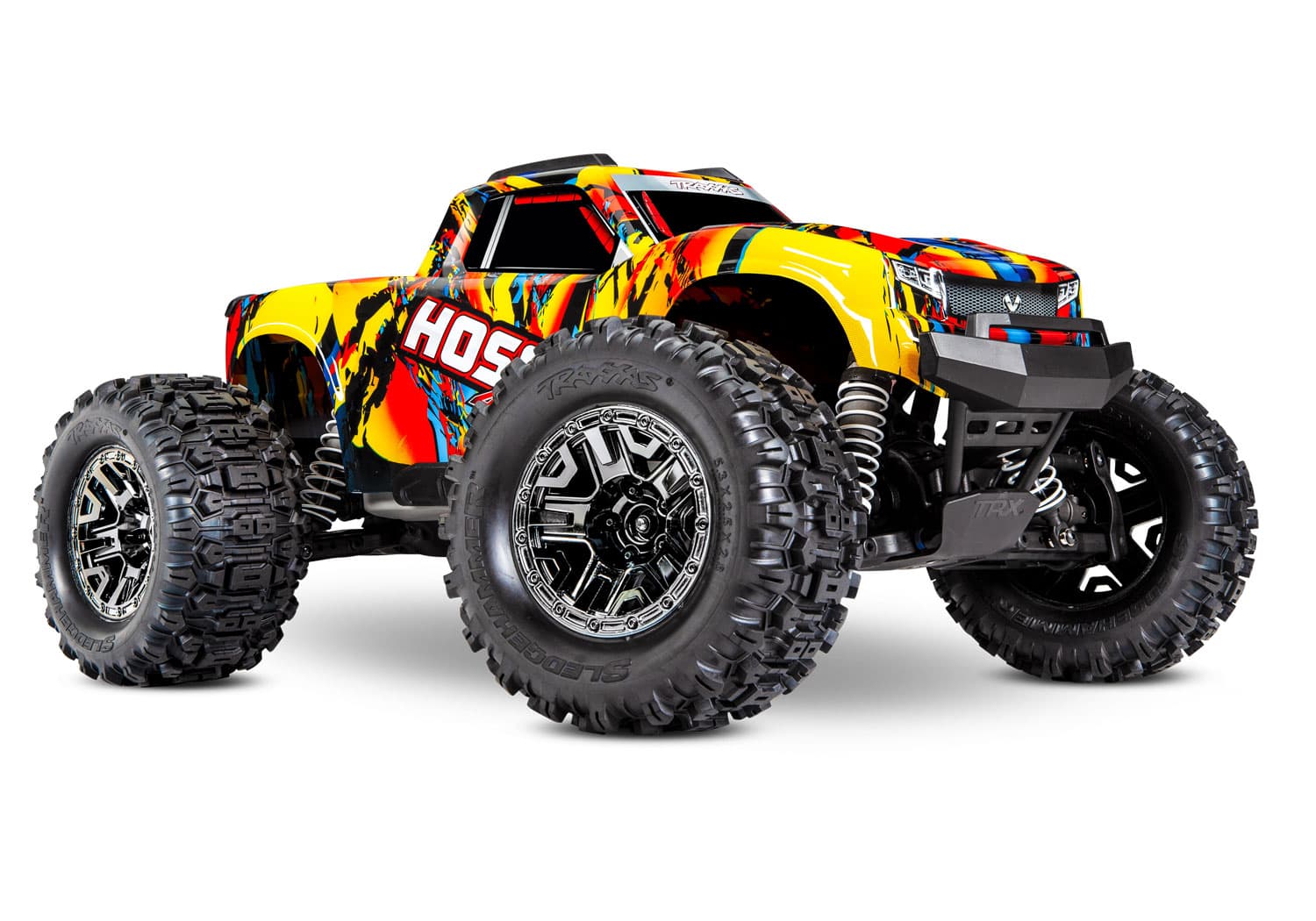
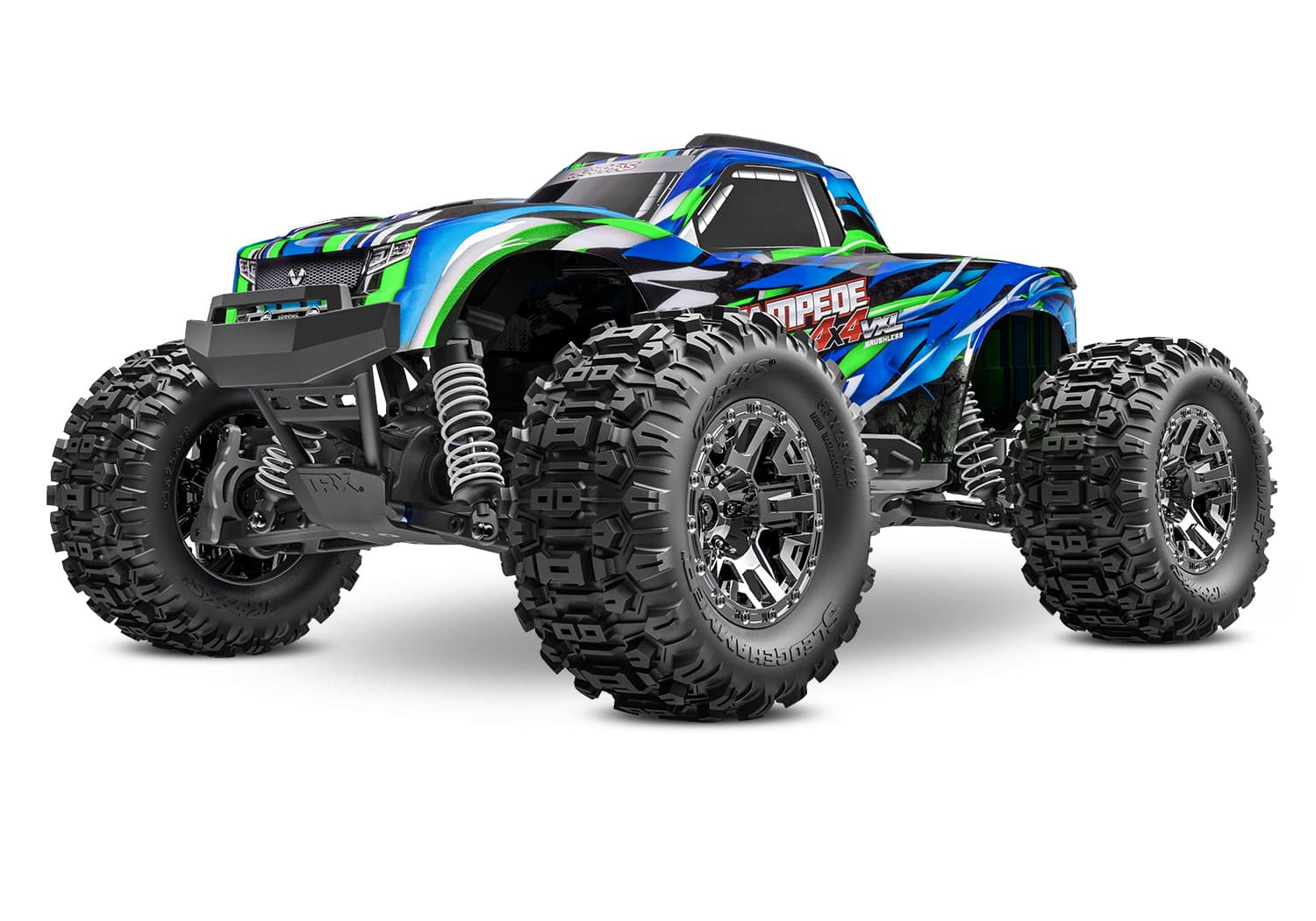
The Hoss is basically a juiced-up Stampede, and this comparison shows exactly what that extra money buys you. The Stampede is actually faster on paper, but the Hoss is the more capable all-around basher. A classic case of raw speed vs. complete package.
At a Glance
Traxxas Hoss 4X4 VXL
Traxxas Stampede 4X4 VXL
Spec Comparison
Spec
Traxxas Hoss 4X4 VXL
Traxxas Stampede 4X4 VXL
Price
$429.95
$379.95
Performance
Top Speed
60 mph
65 mph
Drivetrain
4WD
4WD
Motor Type
Brushless
Brushless
Dimensions
Length
21.65 in
16.34 in
Width
14.37 in
12.75 in
Height
8.07 in
7.87 in
Wheelbase
13.15 in
10.24 in
Ground Clearance
2.85 in
2.75 in
Chassis
Weight
7.87 lbs
6.95 lbs
Battery
5000mAh 3S
5000mAh 3S
Features
Waterproof
Yes
Yes
Detailed Comparison
This matchup trips people up. The Traxxas Stampede 4X4 VXL is rated at 65 mph while the Traxxas Hoss 4X4 VXL tops out at 60 mph. So the cheaper truck is faster? Technically yes, but context matters. The Stampede achieves that speed with a lighter 6.95 lb body on a shorter 10.24-inch wheelbase. At high speed, that combination makes the Stampede twitchy and prone to flipping. The Hoss, at 7.87 lbs with a 13.15-inch wheelbase, tracks straighter and handles speed with far more composure. You'll actually hold full throttle longer on the Hoss because it inspires more confidence, which in practice means you use more of its speed more of the time.
The size difference between these two is dramatic. The Hoss stretches 21.65 inches long and 14.37 inches wide compared to the Stampede's 16.34-inch length and 12.75-inch width. That size gap translates directly to capability. The Hoss clears obstacles at 2.85 inches of ground clearance versus the Stampede's 2.75 inches, and its longer wheelbase soaks up bumps that would launch the Stampede into unplanned backflips. For bashing over uneven terrain, ruts, and gravel, the Hoss has a clear edge. The Hoss also looks more imposing in person. Side by side, the Stampede looks like the Hoss's little brother, which it basically is.
Both trucks run 3S brushless power with 5000mAh battery compatibility, so battery costs and runtime are essentially identical. Both are waterproof and 4WD. The shared 3S platform means you can swap batteries between them without any issues. Where the Hoss differentiates itself is in the chassis and suspension design. It uses longer travel shocks and a stiffer chassis that handles repeated abuse better than the Stampede's lighter-duty components. The Stampede's design dates back further and uses older engineering, while the Hoss benefits from more recent refinements. The Hoss's shock absorbers are a particular highlight, offering better damping that keeps the truck planted during aggressive maneuvers where the Stampede would bounce and skip.
Parts availability is excellent for both trucks. The Stampede is one of Traxxas's oldest and most popular platforms, so every hobby shop on the planet stocks parts. The Hoss is newer but has rapidly built up its own parts ecosystem. Aftermarket support for both trucks is robust, with aluminum upgrade options, different spring rates, and body kits readily available. The Stampede's longer market presence means more variety in aftermarket accessories, but the Hoss has everything you'd need for common repairs and upgrades.
The Stampede 4X4 VXL is affordably priced and the Hoss asks more. That price difference buys you a significantly bigger, more stable, more durable truck. The Stampede's only real advantage is its higher top speed number, and even that advantage disappears when you consider drivability. Hitting 65 mph in a Stampede on anything but a perfectly smooth surface is pretty sketchy. The Hoss at 60 mph feels planted and controllable. For pure value, the Stampede 4X4 VXL remains one of the best budget brushless monster trucks you can buy. It's fast, it's capable, and it's proven. But the Hoss is the truck you buy when you've outgrown what the Stampede can handle. The extra money buys you peace of mind, better handling, and a platform that won't punish you for driving aggressively.
The Verdict
Traxxas Hoss 4X4 VXL
The Hoss is the truck you buy when you've outgrown the Stampede. Bigger, more stable, and the extra money buys you real peace of mind at speed.
Full reviewTraxxas Stampede 4X4 VXL
The Stampede is 5 mph faster and significantly cheaper. If you can handle the twitchier ride at top speed, it's a ton of truck for a moderate price.
Full reviewWhere to Buy
Traxxas Hoss 4X4 VXL
Traxxas Stampede 4X4 VXL
Prices may vary. We may earn a commission on purchases at no extra cost to you.
Related Comparisons
Traxxas Hoss 4X4 VXL vs Arrma Kraton 6S BLX
monster truckTraxxas Hoss 4X4 VXL vs Traxxas Maxx V2
monster truckTraxxas Hoss 4X4 VXL vs Traxxas Stampede 2WD VXL
monster truckTraxxas Hoss 4X4 VXL vs Arrma Big Rock 3S BLX
monster truckTraxxas Hoss 4X4 VXL vs Arrma Outcast 6S BLX
monster truckTraxxas Hoss 4X4 VXL vs Losi LMT Grave Digger
monster truckRelated Guides
How Fast Are RC Cars? Speed Guide by Category
Real-world RC car speeds by category and price range. From 15 mph mini crawlers to 100+ mph speed machines.
Brushed vs Brushless Motors: What's the Difference?
How brushed and brushless motors work, what the performance differences are, and which one to pick.
2WD vs 4WD RC Cars: Which Is Better?
2WD and 4WD compared across handling, speed, durability, and terrain. Plus which drivetrain to pick.