Losi Tenacity DB Pro vs Team Associated RC10B7 Team KitWhich Should You Buy?
Quick Take
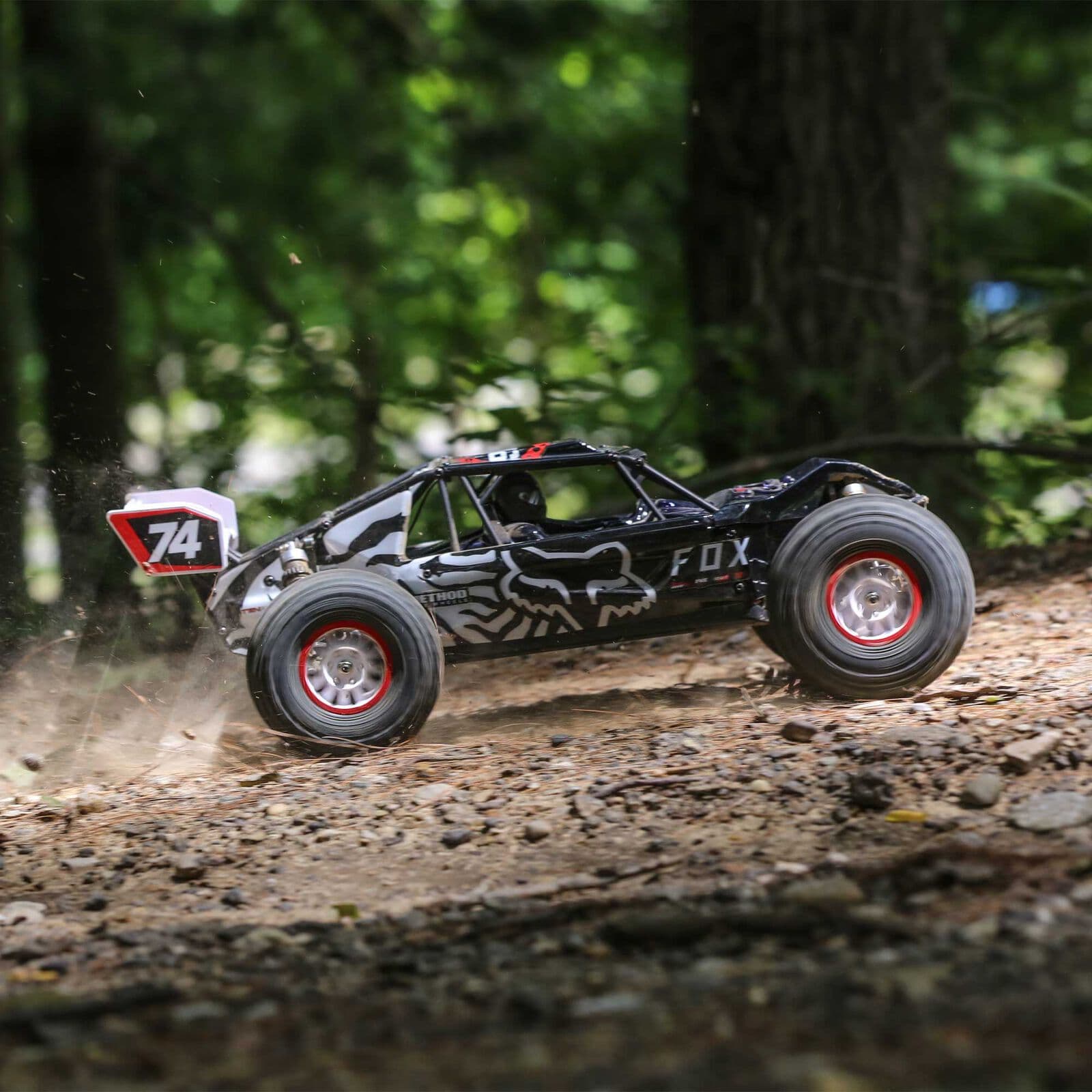
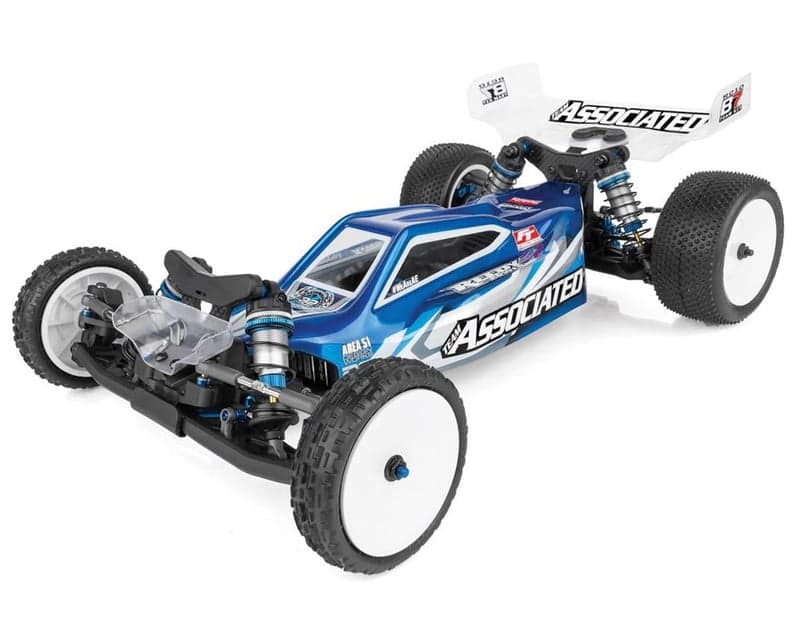
A bashing desert buggy versus a competition racing kit. The Tenacity DB Pro is RTR and ready to rip. The RC10B7 Team Kit requires you to build it, buy electronics, and set it up for racing. Completely different products for completely different people.
At a Glance
Losi Tenacity DB Pro
Team Associated RC10B7 Team Kit
Spec Comparison
Spec
Losi Tenacity DB Pro
Team Associated RC10B7 Team Kit
Price
$499.99
$399.99
Performance
Top Speed
50 mph
N/A
Drivetrain
4WD
2WD
Motor Type
Brushless
Brushless
Dimensions
Length
23.62 in
15.75 in
Width
11.42 in
9.45 in
Height
7.87 in
5.12 in
Wheelbase
14.37 in
10.83 in
Ground Clearance
1.57 in
0.98 in
Chassis
Weight
7.94 lbs
3.59 lbs
Battery
5000mAh 3S
6000mAh 2S
Features
Waterproof
No
No
Detailed Comparison
Comparing the Losi Tenacity DB Pro to the Team Associated RC10B7 Team Kit is like comparing a pickup truck to a Formula 1 car. One is ready to drive anywhere and built for all-terrain fun. The other is a precision racing instrument sold in pieces that requires significant additional investment. The RC10B7 comes as a kit with no motor, no ESC, no servo, no body, no tires, and no battery. By the time you outfit it with competition-grade electronics, a painted body, race tires, and a quality battery, you are spending a moderate amount total depending on your component choices. The Tenacity DB Pro at its mid-range price is complete and running in the time it takes to charge a battery.
Performance comparisons are almost meaningless because these vehicles serve entirely different purposes. The Tenacity DB Pro runs 50 mph on 3S with its Spektrum Firma brushless 4WD system. It jumps, bashes, and handles rough terrain with 1.57 inches of ground clearance and a 23.62-inch length that gives it a stable footprint for big air. It weighs 7.94 lbs, which provides momentum for jumps and landings. The RC10B7 is a 2WD 1/10 competition buggy with a 3.59 lb race-ready weight and 10.83-inch wheelbase. On a prepared, groomed racing surface, a properly built and tuned B7 will run circles around the Tenacity with its razor-sharp handling and featherweight agility. It is lighter, lower with just 0.98 inches of ground clearance, and designed for cornering precision at the highest level of 1/10 2WD buggy racing. Off the track, on rough terrain or grass, it would be out of its element entirely.
The RC10B7 is all about build quality within its intended domain. The Team Kit includes machined aluminum components, precision-fit carbon fiber parts, and adjustability in every conceivable suspension parameter. Camber, toe, anti-squat, roll center, shock position, and dozens of other settings can be dialed for specific track conditions. It is engineered to win national-level races in the hands of a skilled driver. The Tenacity DB Pro is built with quality RTR components, Spektrum Smart electronics, and a solid 4WD drivetrain, but it is designed for durability and fun rather than competition precision. The Tenacity weighs 7.94 lbs, more than double the B7's 3.59 lbs, which tells you everything about the different design priorities at work.
Battery and runtime are hard to compare directly since the B7's setup depends entirely on what electronics you install. The Tenacity on a 5000mAh 3S gives you about 20 minutes of bashing. A race-prepped B7 on a 6000mAh 2S shorty pack will run a 5-minute qualifier with energy to spare, but competitive racing is done in short controlled bursts, not extended sessions. The B7's lower weight and 2WD system are inherently more efficient per lap.
Value is entirely use-case dependent and there is no overlap in the target audience. The Tenacity DB Pro at its mid-range price is a complete, fun, capable desert buggy that anyone can enjoy immediately with zero additional purchases. The RC10B7 at its price point for just the kit is the starting point for a serious racing investment that requires knowledge, patience, and a track to use. If you race at a local track and compete in 2WD modified buggy class, the B7 is a podium-capable choice. If you want a buggy to bash in your neighborhood, the B7 is completely wrong for the job. Know what you want before you spend.
The Verdict
Losi Tenacity DB Pro
Ready to run at its mid-range price. 4WD, 50 mph, desert buggy looks. The Tenacity DB Pro is pure fun with zero assembly required.
Full reviewTeam Associated RC10B7 Team Kit
A bare kit for a reasonable price no motor, no ESC, no body. The RC10B7 is for racers who already own electronics and know what they're building toward.
Full reviewWhere to Buy
Losi Tenacity DB Pro
Team Associated RC10B7 Team Kit
Prices may vary. We may earn a commission on purchases at no extra cost to you.
Related Comparisons
Related Guides
Brushed vs Brushless Motors: What's the Difference?
How brushed and brushless motors work, what the performance differences are, and which one to pick.
2WD vs 4WD RC Cars: Which Is Better?
2WD and 4WD compared across handling, speed, durability, and terrain. Plus which drivetrain to pick.
RC Car Types Explained: Bashers, Crawlers, Drift & Racing
Bashers, crawlers, drift cars, buggies, truggies, and more. What each type does best and who it's for.