Arrma Infraction 6S BLX vs Traxxas XO-1Which Should You Buy?
Quick Take
The two fastest on-road RC cars you can buy, and they're not even close in price. The XO-1 hits a ludicrous 100 mph on 8S power while the Infraction 6S tops out at 80 mph. This is a battle between insane and insaner.
At a Glance
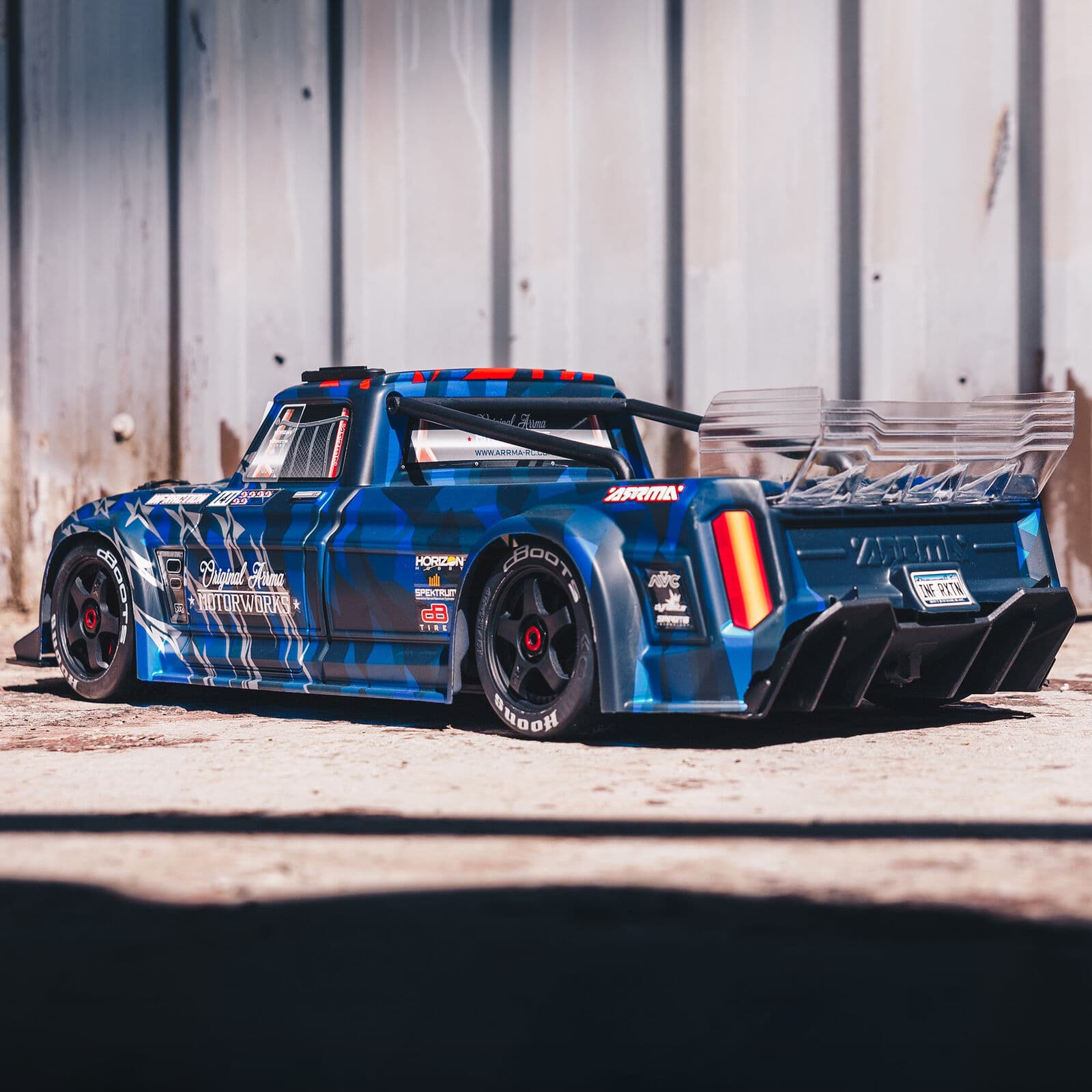
Arrma Infraction 6S BLX
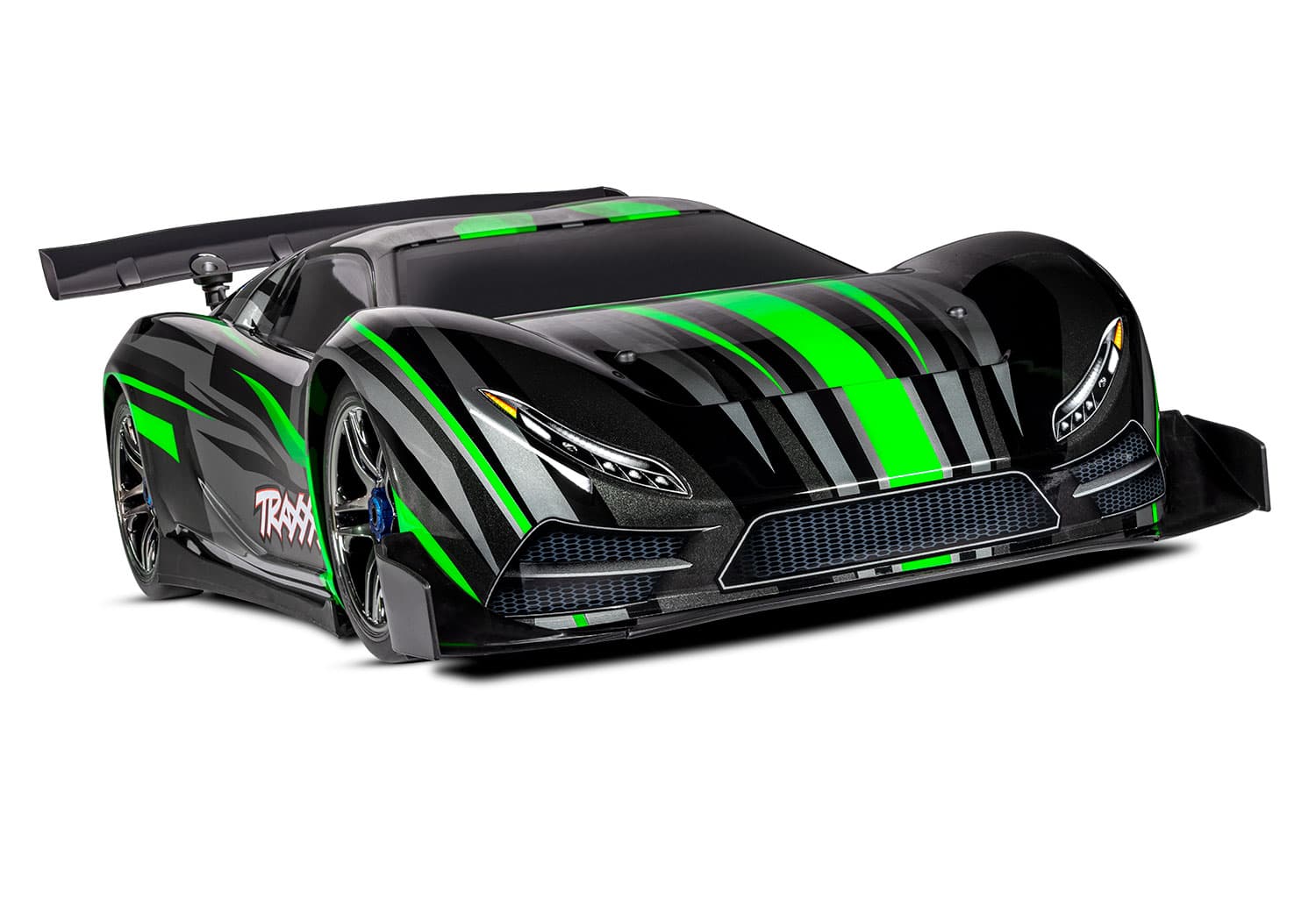
Traxxas XO-1
Spec Comparison
Spec
Arrma Infraction 6S BLX
Traxxas XO-1
Price
$699.99
$799.95
Performance
Top Speed
80 mph
100 mph
Drivetrain
AWD
AWD
Motor Type
Brushless
Brushless
Dimensions
Length
25.98 in
25.55 in
Width
10.79 in
11.65 in
Height
5.51 in
5.91 in
Wheelbase
16.14 in
14.57 in
Ground Clearance
0.87 in
0.59 in
Chassis
Weight
11.44 lbs
7.34 lbs
Battery
5000mAh 6S
6700mAh 4S x2
Features
Waterproof
Yes
Yes
Detailed Comparison
The Arrma Infraction 6S BLX and Traxxas XO-1 are both 1/7 scale on-road missiles, but the XO-1 occupies a tier all its own. A 100 mph top speed versus the Infraction's 80 mph means the Traxxas car covers ground 25% faster at full tilt. The XO-1 achieves this through a dual 4S battery setup providing 8S total voltage through 6700mAh packs, while the Infraction runs a single 6S configuration. That extra voltage gives the XO-1 brutal straight-line acceleration that pins the car to the ground. Above 80 mph, the XO-1 still has power in reserve, while the Infraction is completely tapped out. That feeling of additional headroom makes the XO-1 feel like it belongs at those speeds rather than just barely reaching them.
Weight plays into the driving dynamics significantly. The XO-1 weighs just 7.34 lbs compared to the Infraction's 11.44 lbs. That's over 4 lbs lighter, which translates to sharper direction changes and better acceleration. The trade-off is that the lighter XO-1 has less mechanical grip, and at triple-digit speeds, every ounce matters for stability. The Infraction's extra mass actually helps it feel more planted during high-speed sweepers and resists crosswinds better. Ground clearance is low on both, as expected for on-road cars: 0.59 inches on the XO-1 and 0.87 inches on the Infraction. The Infraction's slightly higher ride height gives it a small but important advantage on imperfect pavement. A pebble or crack that bottoms out the XO-1 might clear under the Infraction.
Build quality differs in philosophy. Arrma's Infraction uses their proven 6S BLX platform with a beefy anodized chassis and a street-style body that looks killer. The XO-1 runs Traxxas's Velineon power system with a chassis tuned specifically for extreme speed. Neither car is meant to be bashed or jumped, and both will catastrophically fail if you send them off a curb at speed. The Infraction's heavier construction gives it a slight durability edge for minor impacts, but honestly, crashing either of these at speed is expensive regardless. Replacement body shells, arms, and electronics add up quickly at this performance level.
Battery cost is a major ongoing factor. The XO-1's dual 6700mAh 4S pack requirement means you're spending significantly on batteries per set. The Infraction's single 6S 5000mAh pack runs around a moderate amount. Over a season of driving, that difference compounds quickly. Multiply by the number of packs you'll go through and the XO-1's battery budget could fund an entire second hobby. Runtime on the XO-1 is slightly better per session thanks to the higher total capacity, but you're paying heavily for it.
The noticeable price gap (a premium investment for the Infraction versus a premium investment for the XO-1) plus the battery cost difference makes this a competitive price+ total cost gap when you factor in your first set of batteries. The XO-1 is the car you buy when 80 mph really isn't enough and you need bragging rights. The Infraction is the more practical choice that still absolutely screams. Both are AWD, both are waterproof, and both will terrify you on full throttle. The Infraction gives you 80% of the experience for 60% of the total cost, which is a compelling ratio for anyone who doesn't absolutely need that 100 mph number.
The Verdict
Arrma Infraction 6S BLX
80 mph, heavier chassis, more forgiving on rough pavement. The Infraction is the speed car for people who also want to survive the session.
Full reviewTraxxas XO-1
100 mph. That's it. That's the pitch. Everything else about the XO-1 (the price, the battery costs, the repair bills) is just the cover charge.
Full reviewWhere to Buy
Arrma Infraction 6S BLX
Traxxas XO-1
Prices may vary. We may earn a commission on purchases at no extra cost to you.
Related Comparisons
Related Guides
How Fast Are RC Cars? Speed Guide by Category
Real-world RC car speeds by category and price range. From 15 mph mini crawlers to 100+ mph speed machines.
Brushed vs Brushless Motors: What's the Difference?
How brushed and brushless motors work, what the performance differences are, and which one to pick.
2WD vs 4WD RC Cars: Which Is Better?
2WD and 4WD compared across handling, speed, durability, and terrain. Plus which drivetrain to pick.