Arrma Felony 6S BLX vs Traxxas XO-1Which Should You Buy?
Quick Take
Arrma's 80 mph muscle car against Traxxas's 100 mph speed demon. The XO-1 costs significantly more and runs dual batteries, but nothing else in the RC world touches its top speed. The Felony is the more livable car for regular driving.
At a Glance
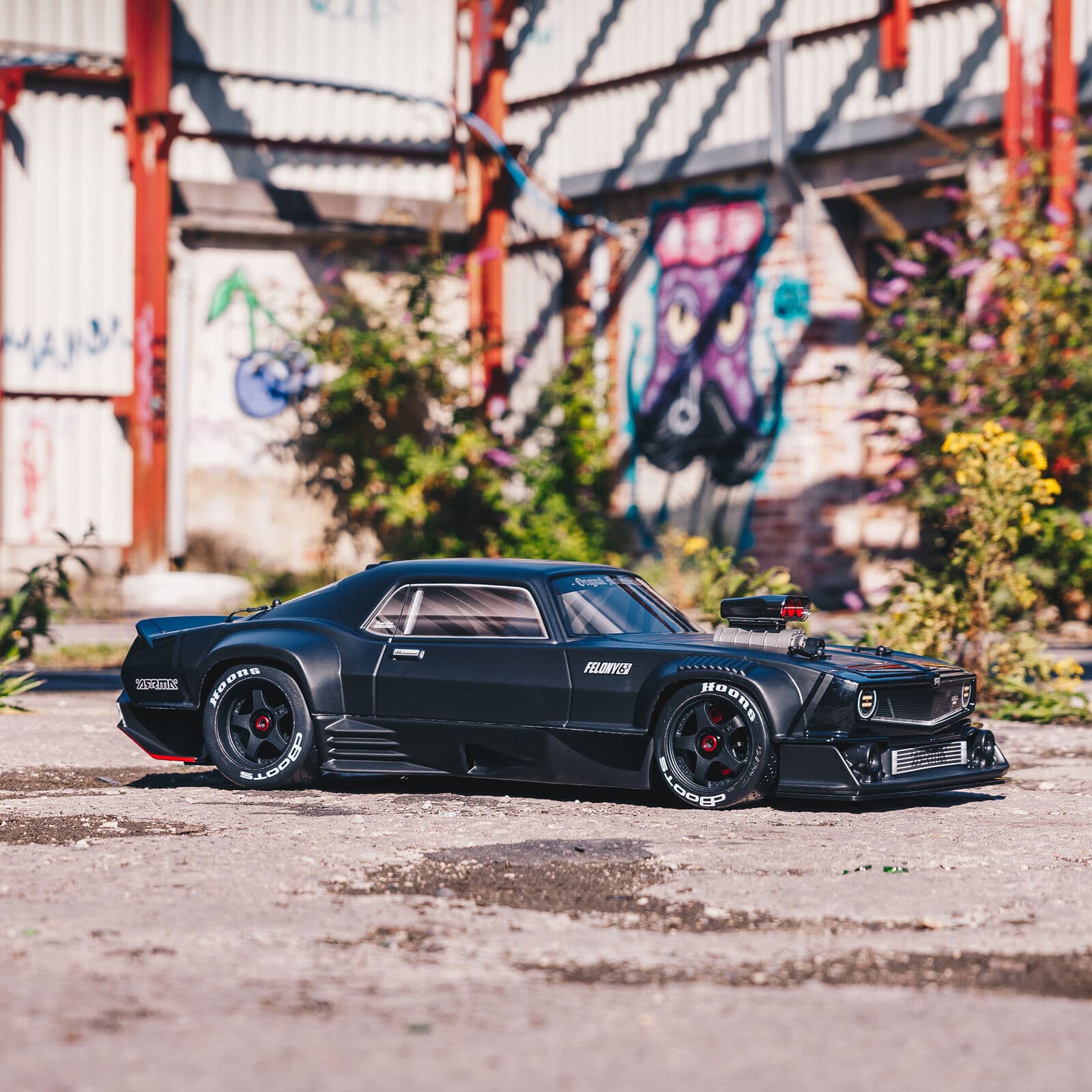
Arrma Felony 6S BLX
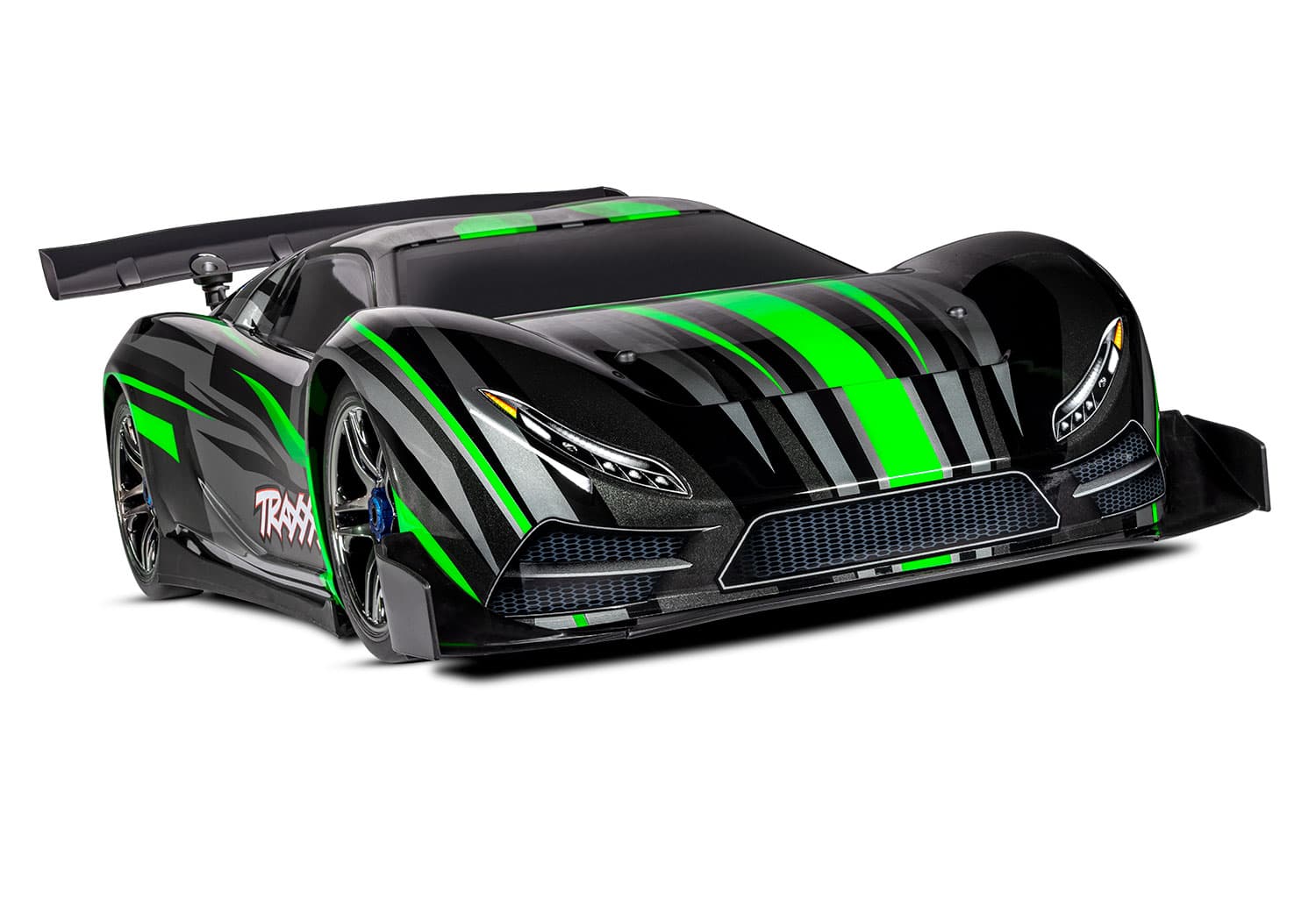
Traxxas XO-1
Spec Comparison
Spec
Arrma Felony 6S BLX
Traxxas XO-1
Price
$699.99
$799.95
Performance
Top Speed
80 mph
100 mph
Drivetrain
AWD
AWD
Motor Type
Brushless
Brushless
Dimensions
Length
25.98 in
25.55 in
Width
10.79 in
11.65 in
Height
5.51 in
5.91 in
Wheelbase
16.14 in
14.57 in
Ground Clearance
0.67 in
0.59 in
Chassis
Weight
10.36 lbs
7.34 lbs
Battery
5000mAh 6S
6700mAh 4S x2
Features
Waterproof
Yes
Yes
Detailed Comparison
Speed freaks face a real decision here. The Traxxas XO-1 hits 100 mph. The Arrma Felony 6S BLX tops out at 80 mph. If the only metric that matters is top speed, this comparison is over before it starts. But top speed is only one piece of the ownership experience, and the Felony makes a strong case as the better overall car for most drivers.
The XO-1's 100 mph capability comes from its dual 4S battery setup producing 8S total voltage through 6700mAh packs. The Felony runs a single 6S 5000mAh pack. This power difference is massive. The XO-1 accelerates with a violence that's honestly startling, and maintaining control at triple-digit speeds requires real skill and a very long, very smooth stretch of road. The Felony's 80 mph feels fast but manageable. Most drivers will actually enjoy the Felony more on a typical day because you can use its full potential without needing an abandoned runway. There's something deeply satisfying about a car that lets you explore its entire performance envelope in a normal parking lot.
Weight works in the XO-1's favor for acceleration: 7.34 lbs versus the Felony's 10.36 lbs. That's 3 lbs lighter, which is enormous at this scale. The XO-1 changes direction more readily and feels alive in a way the heavier Felony doesn't match. Conversely, the Felony's weight helps it maintain composure over surface imperfections and gives it more mechanical grip through corners. Ground clearance is 0.59 inches on the XO-1 and 0.67 inches on the Felony. Both are extremely low, and neither car tolerates rough surfaces well. A small rock or raised pavement seam can ruin your day with either car, but the XO-1 is slightly more vulnerable.
The dimensions are similar, with the Felony running 25.98 inches long on a 16.14-inch wheelbase versus the XO-1's 25.55 inches on a 14.57-inch wheelbase. The Felony's longer wheelbase contributes to its more stable high-speed tracking. That extra 1.5 inches of wheelbase helps the car resist sudden directional changes from crosswinds or pavement irregularities, which matters enormously when you're anywhere near top speed.
Battery economics heavily favor the Felony. One 6S pack versus two premium 4S packs per session means you'll spend roughly half as much on batteries over the car's lifetime. A single quality a 6S pack is a bigger investment. A pair of quality 6700mAh 4S packs for the XO-1 runs a moderate amount. Combined with the lower purchase price (a significant price gap), the total cost of ownership gap is substantial. You could buy a Felony, a spare body, and a pile of batteries for the all-in cost of an XO-1 setup. That's not an exaggeration.
Both cars are AWD and waterproof. The Felony uses Arrma's proven 6S BLX platform with excellent parts support. The XO-1 uses Traxxas's ecosystem, which has even better parts availability. Durability is comparable, though the Felony's heavier construction absorbs minor impacts slightly better. At these speeds, any real crash is going to cause significant damage regardless of which car you're running.
The XO-1 is a bucket-list car. You buy it to say you've driven something at 100 mph and to feel that rush. The Felony is the car you buy to actually drive regularly and enjoy every session without worrying about needing a quarter-mile of smooth tarmac. For most people, the Felony is the right call.
The Verdict
Arrma Felony 6S BLX
The Felony is considerably cheaper, runs one battery instead of two, and 80 mph is more speed than most drivers will ever use. The smarter buy for most people.
Full reviewTraxxas XO-1
100 mph. That's it. That's the pitch. If you need to hit triple digits and have an abandoned parking lot to do it on, the XO-1 is the only game in town.
Full reviewWhere to Buy
Arrma Felony 6S BLX
Traxxas XO-1
Prices may vary. We may earn a commission on purchases at no extra cost to you.
Related Comparisons
Related Guides
How Fast Are RC Cars? Speed Guide by Category
Real-world RC car speeds by category and price range. From 15 mph mini crawlers to 100+ mph speed machines.
Brushed vs Brushless Motors: What's the Difference?
How brushed and brushless motors work, what the performance differences are, and which one to pick.
2WD vs 4WD RC Cars: Which Is Better?
2WD and 4WD compared across handling, speed, durability, and terrain. Plus which drivetrain to pick.