Kyosho Inferno MP10e vs Tekno EB48 2.2Which Should You Buy?
Quick Take
The real 1/8 electric buggy showdown. Kyosho's race heritage versus Tekno's modern engineering, both at the same scale with identical ground clearance and matching wheelbases. This is the comparison that matters if you're building a competitive 1/8 ebuggy.
At a Glance
Kyosho Inferno MP10e
Tekno EB48 2.2
Spec Comparison
Spec
Kyosho Inferno MP10e
Tekno EB48 2.2
Price
$679.99
$699.99
Performance
Top Speed
N/A
N/A
Drivetrain
4WD
4WD
Motor Type
Brushless
Brushless
Dimensions
Length
19.49 in
19.09 in
Width
11.81 in
12.20 in
Height
5.91 in
5.71 in
Wheelbase
13.19 in
13.19 in
Ground Clearance
1.18 in
1.18 in
Chassis
Weight
7.94 lbs
7 lbs
Battery
N/A
N/A
Features
Waterproof
No
No
Detailed Comparison
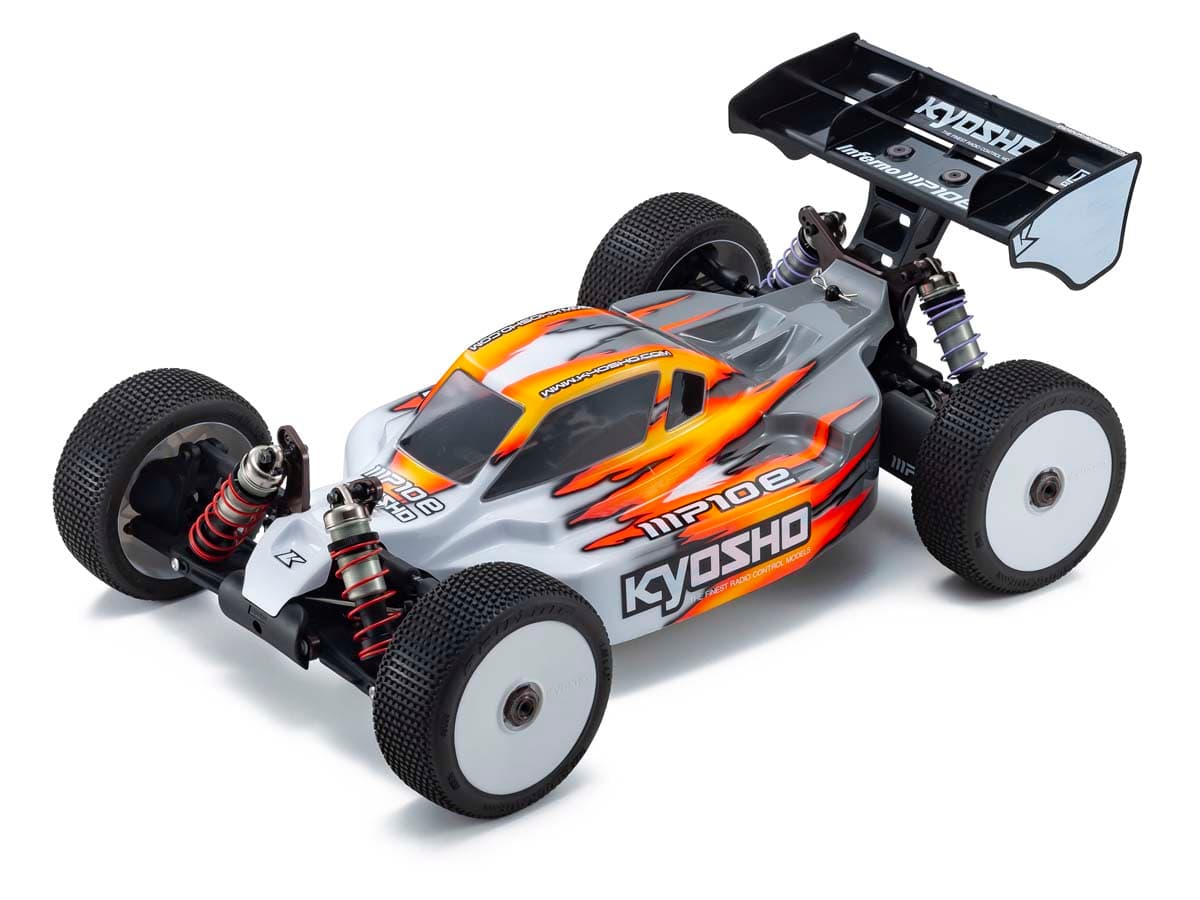
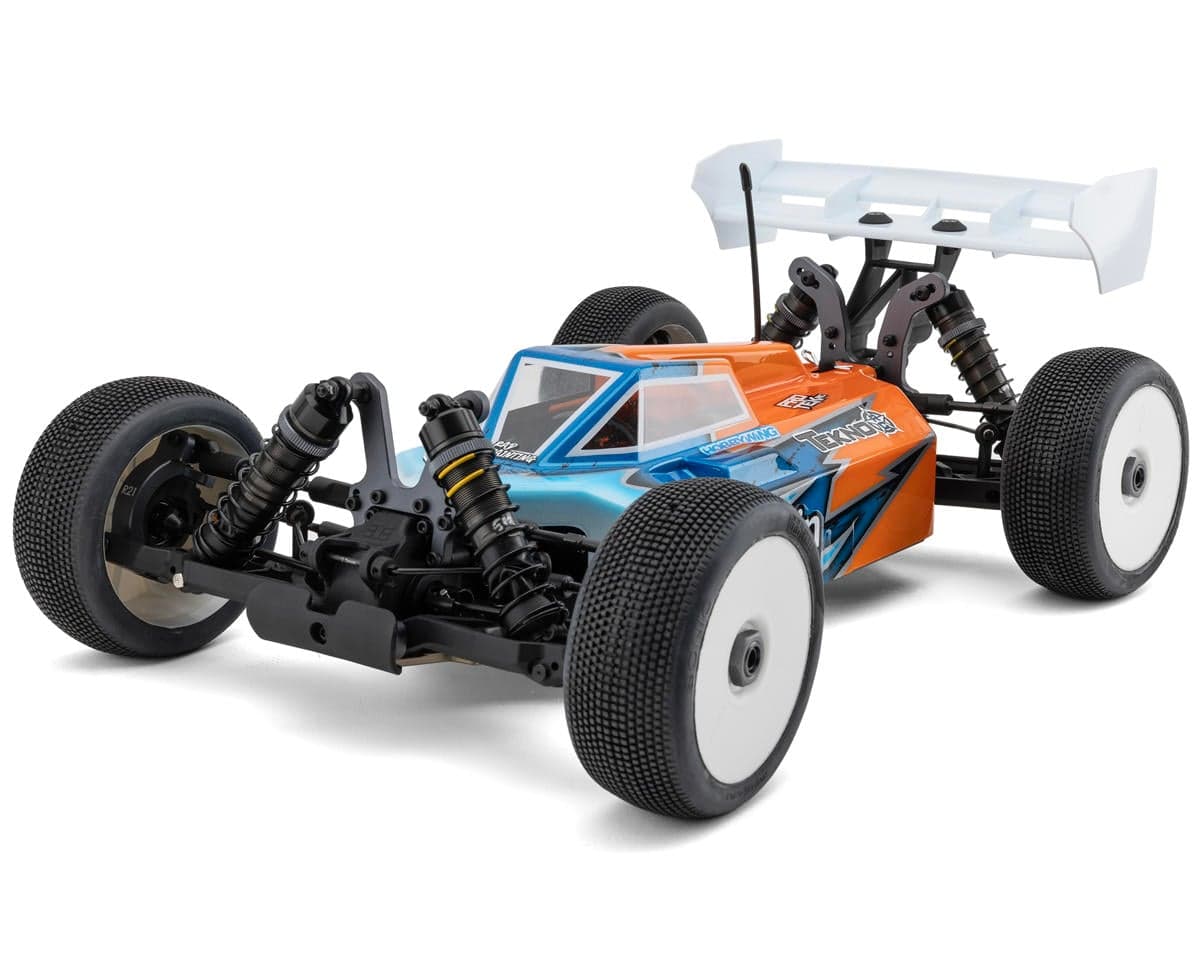
This is the matchup that 1/8 electric buggy racers actually care about. The Kyosho Inferno MP10e and Tekno EB48 2.2 are direct competitors: both 1/8-scale 4WD buggy kits, both sold without electronics, both designed for one purpose: winning races.
Dimensions are remarkably close. The MP10e is 19.49 inches long on a 13.19-inch wheelbase. The EB48 2.2 is 19.09 inches on the same 13.19-inch wheelbase. Ground clearance is identical at 1.18 inches. Width differs slightly with the EB48 at 12.2 inches versus the MP10e at 11.81. These trucks were designed to compete against each other on the same tracks under the same rules, and it shows.
Weight gives Tekno an advantage. The EB48 2.2 weighs 7 lbs versus the MP10e's 7.94 lbs. Nearly a full pound lighter at this level is significant. Less rotating mass means faster acceleration, quicker direction changes, and better jump performance. That weight saving comes from Tekno's lighter chassis and refined component design. Every gram matters in racing, and Tekno has optimized relentlessly.
The MP10e's heritage is its argument. Kyosho has been building the Inferno platform for decades, and the MP10e is the electric conversion of their proven nitro chassis. The geometry is validated by years of international competition. Setup guides are plentiful, and the platform is well-understood by tuners worldwide. The EB48 2.2 is a newer design that incorporates more modern thinking: revised shock positions, updated geometry, and a chassis designed from scratch for electric power rather than converted from a nitro platform.
Build quality is outstanding on both kits. Kyosho's machining is exquisite, with the kind of fit and finish that Japanese manufacturing is known for. Tekno's American engineering takes a more functional approach: parts fit precisely and work well, but the aesthetic polish is slightly less refined. Neither kit will leave you wanting during assembly, but the MP10e has a certain elegance that Tekno doesn't prioritize.
Neither kit includes electronics, so battery comparisons are moot. Both will run identical setups in racing: a 2200kv motor, 150A ESC, 4S LiPo, and appropriate servo. The performance difference between these two kits comes down to geometry, weight, and tunability rather than power output.
Value favors the Tekno EB48 2.2 at a modest price gap for the MP10e. That price difference, combined with the lighter weight, makes the Tekno the better value on paper. Tekno also has excellent parts availability in North America with direct-from-manufacturer ordering. Kyosho parts sometimes require more effort to source, especially for less common components. The Tekno community is vocal and helpful, with active Facebook groups and forum threads dedicated to setup and tuning.
The real decision factor is personal preference and local scene. If your local racing community runs heavy on Kyosho, having setup buddies and parts-sharing opportunities matters. If the Tekno crowd is strong, the EB48 benefits from that same social advantage. Both kits can win races. Both kits are refined competition platforms. The EB48 2.2 gets a slight edge for the weight advantage and lower price, but a well-tuned MP10e in experienced hands is equally competitive.
The Verdict
Kyosho Inferno MP10e
Kyosho heritage, Japanese build quality, and a geometry validated by decades of racing. Pick the MP10e if your local scene runs it.
Full reviewTekno EB48 2.2
A pound lighter and noticeably cheaper. The EB48 2.2 is the newer design with better parts availability in North America. Slight edge on paper.
Full reviewWhere to Buy
Kyosho Inferno MP10e
Tekno EB48 2.2
Prices may vary. We may earn a commission on purchases at no extra cost to you.
Related Comparisons
Related Guides
Brushed vs Brushless Motors: What's the Difference?
How brushed and brushless motors work, what the performance differences are, and which one to pick.
2WD vs 4WD RC Cars: Which Is Better?
2WD and 4WD compared across handling, speed, durability, and terrain. Plus which drivetrain to pick.
RC Car Types Explained: Bashers, Crawlers, Drift & Racing
Bashers, crawlers, drift cars, buggies, truggies, and more. What each type does best and who it's for.